



INP-WealthPk

Pakistan’s working-age population may double by 2050
May 18, 2026
By Ayesha Saba
Pakistan’s working-age population is projected to expand sharply over the next 25 years, creating one of the largest workforce expansions in the region, according to new national population projections released by the National Institute of Population Studies, Training and Research (NIPST&R).
The report projects the population aged between 15 and 64 years to rise from 135.2 million in 2023 to 255.4 million by 2050.
The increase reflects Pakistan’s continuing demographic expansion and relatively young population structure.
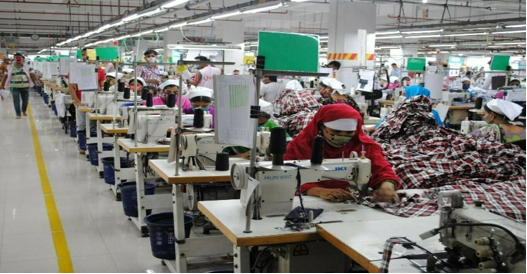
The projections suggest labour-force growth will significantly influence economic planning, industrial expansion, education systems and employment generation over the coming decades.
Pakistan’s total population is expected to approach 390 million by 2050 under the slow fertility decline scenario.
The report notes that the expanding working-age population could support higher economic output and consumer demand if accompanied by stronger investment, industrial growth and productivity improvements.
At the same time, the projections indicate that labour markets may face mounting pressure if job creation fails to keep pace with demographic growth.
The report highlights the importance of technical education, skills development and women’s participation in the workforce in managing the transition effectively.
Urban centres are expected to absorb much of the labour-force expansion because of migration linked to employment opportunities.
Islamabad’s population is projected to nearly triple by 2050, while Sindh is expected to continue attracting strong migration flows.
The report stresses that demographic trends are increasingly shaping Pakistan’s long-term economic outlook because of their direct impact on labour markets, infrastructure and public finances.
UNFPA and NIPST&R noted that sustained investment in human capital will remain essential for converting population growth into long-term economic gains.
Credit: INP-WealthPk