


INP-WealthPk

Pakistan's REER rises to 106.15 in May
June 23, 2026
By Moaaz Manzoor
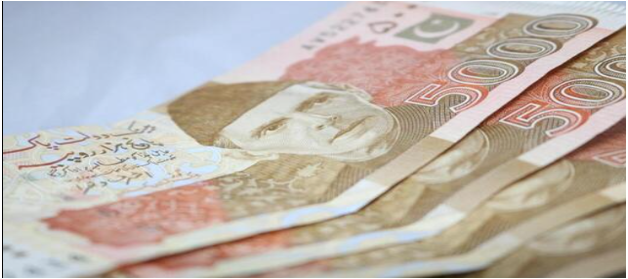
Pakistan's Real Effective Exchange Rate (REER) rose to 106.15 in May 2026 from 105.84 in April, indicating a slight appreciation in the rupee's inflation-adjusted value against the currencies of the country's major trading partners, according to data released by the State Bank of Pakistan (SBP).
The REER is a widely used measure of a country's external competitiveness because it compares the value of the domestic currency against a basket of trading-partner currencies while accounting for inflation differentials. A higher REER generally indicates that domestic goods are becoming relatively more expensive in international markets, while a lower REER suggests improved export competitiveness.
The latest increase extended the upward trend seen in recent months. The REER stood at 103.11 in February, then rose to 104.29 in March and 105.84 in April, reaching its highest level in six months in May.
Meanwhile, the Nominal Effective Exchange Rate (NEER), which measures the rupee's value against the currencies of major trading partners without adjusting for inflation, remained largely stable. The index stood at 37.90 in May, compared with 37.89 in April, reflecting only a marginal movement in the currency's nominal value.
Month-on-month data showed that the REER increased by 0.3% in May, while the NEER recorded a marginal rise of 0.03%. The relatively small changes suggest that exchange-rate movements remained broadly stable during the month, with inflation differentials accounting for most of the increase in the real exchange rate.
The latest figures come at a time when Pakistan's external sector has shown signs of improvement. The country recorded a current account surplus of $459 million in May, supported by strong remittance inflows and an increase in foreign exchange reserves.
Workers' remittances reached $4.25 billion during the month, providing a significant boost to foreign exchange earnings and helping strengthen the country's external position. At the same time, SBP's gross foreign exchange reserves increased to $18.47 billion by the end of May.
The increase in the REER reflects the combined impact of exchange-rate stability and inflation trends relative to Pakistan's trading partners. As a key measure of the rupee's competitiveness in international markets, the REER is closely monitored by economists, while the NEER tracks the currency's nominal value against a basket of major trading-partner currencies without adjusting for inflation.
The latest data hence suggest that Pakistan's currency remained relatively stable during May, supported by improving external-sector indicators. However, maintaining competitiveness in export markets will require a balance between exchange-rate stability, productivity gains and inflation management.
Credit: INP-WealthPk
Related Articles