


INP-WealthPk
Pakistan’s potato area expands 160% over 10 years
April 07, 2026
By Azeem Ahmed Khan
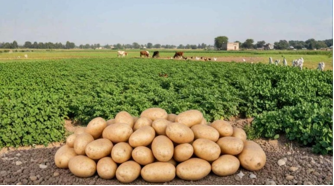
The land dedicated to potato cultivation has expanded over the last 10 years, from about 177,700 hectares in 2015-16 to around 462,160 hectares in 2025-26, an increase of approximately 160 percent.
Potato, one of the country’s most important food crops after wheat, rice, and maize, has seen rapid expansion over the past decade, driven by rising demand, improved farming practices, and the adoption of high-yielding varieties, according to the official documents of the Ministry of National Food Security and Research available with Wealth Pakistan.
Potato production has sharply jumped from 3.8 million tons to nearly 12.0 million tons, marking a growth of roughly 216 percent. In the current season, the crop has been planted on nearly 0.462 million hectares, up from 0.386 million hectares last year, indicating a 23 percent expansion in area. Consequently, production during 2025-26 is expected to exceed 12 million tons.
This year's projected 12 million metric tons of potato output, compared to an average of 8-10 million metric tons in previous years, has resulted in a surplus of nearly four million metric tons.
However, this surplus is unlikely to find export avenues due to limited international demand, long and costly transportation routes, border closures, inadequate cold storage and warehousing facilities, and insufficient value-addition and processing capacity. These structural challenges undermine efforts to manage the surplus and stabilise domestic market prices for farmers.
This remarkable growth has also created pressures, as a supply glut combined with limited export channels has led to financial losses for farmers and triggered a domestic price crisis, the documents said.
In response, the government has launched a coordinated effort to stabilise the market and protect growers following the issue being raising in the National Assembly on January 13, 2026.
A high-level committee formed by the prime minister has held multiple meetings to address export bottlenecks and market challenges. Measures under discussion include facilitating visas for drivers along key trade routes and resolving issues hindering access to international markets.
Authorities are also working on managing surplus stocks through subsidised storage solutions, while exporters and relevant stakeholders are developing proposals to reduce freight costs and improve competitiveness.
Pakistan is also exploring new export destinations, particularly in the Central Asian Republics, with diplomatic efforts underway to promote potato exports and tap into emerging markets.
Chairing a recent meeting, Deputy Prime Minister Muhammad Ishaq Dar emphasised the prudent handling of the situation amid regional trade disruptions, reaffirming the government’s commitment to safeguarding farmers’ economic interests.
Credit: INP-WealthPk