



INP-WealthPk
Pakistan’s GSP+ edge in EU market to remain intact despite India–EU FTA
February 26, 2026
Moaaz Manzoor
The India–European Union Free Trade Agreement (FTA) is not expected to alter Pakistan’s preferential position in the EU market, as the country will continue to benefit from zero-duty access under the GSP+ framework, according to a document available with Wealth Pakistan.
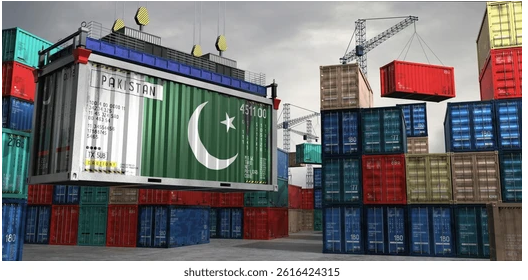
The European Union remains Pakistan’s largest export destination, accounting for 28% of the country’s total exports. In fiscal year 2024-25, Pakistan’s exports to the EU reached US$9.01 billion, with more than 90% of shipments entering at zero tariff under the GSP+ arrangement.
Pakistan’s export basket to the EU is heavily concentrated in textiles and apparel, which make up around 80% of total exports. Textile and apparel shipments were valued at US$7,245 million, reflecting the sector’s dominant share. Manufacturing-related exports, including chemicals, surgical goods, plastics and footwear, contributed US$1,077 million, or 12%, while agricultural exports stood at US$689 million, accounting for 8%.
In the textile segment, Pakistan and India export comparable volumes to the EU, each averaging around US$7 billion annually. However, while Pakistan benefits from zero-duty access under GSP+, Indian textile exports currently face average Most Favoured Nation (MFN) tariffs of approximately 11%. These duties are expected to be phased out once the India–EU FTA becomes operational.
According to the document, India has secured preferential access on 97% of tariff lines in the EU market through its trade negotiations. Nonetheless, the EU will not grant tariff concessions on certain agricultural products, including sugar, ethanol, rice, wheat, beef and poultry, milk powders and some other commodities.
The document further clarifies that the EU does not extend tariff concessions beyond the scope of GSP+ for products such as rice and ethanol. As a result, Pakistan’s preferential position in textiles and apparel is expected to remain preserved. Even after the India–EU agreement takes effect and tariffs on Indian goods are gradually reduced, Pakistan will continue to enjoy zero-duty access in its core export sectors under the GSP+ scheme.
The analysis also underscores the importance of continued compliance with GSP+ conventions, which remain under periodic review. It highlights ongoing policy efforts to reduce exporters’ input costs to enhance competitiveness. In addition, Pakistan is pursuing a Comprehensive Economic Partnership Agreement (CEPA) with the European Union to further strengthen bilateral trade ties.
While competitive dynamics in the EU market may shift following implementation of the India–EU trade deal, the document concludes that Pakistan’s GSP+ status continues to provide tariff certainty and stable market access in its principal export sectors.
Credit: INP-WealthPk