



INP-WealthPk

Pakistan’s forex reserves rise to $22.6bn in May, strengthening external liquidity
June 02, 2026
By Moaaz Manzoor
Pakistan’s liquid foreign exchange reserves rose to $22.646 billion by May 22, 2026, reflecting a notable improvement in the country’s external liquidity position and strengthening its capacity to meet external payment obligations.
According to the State Bank of Pakistan (SBP), total liquid foreign exchange reserves stood at $21.336 billion on May 8. The reserves increased sharply to $22.588 billion by May 15 and further improved to $22.646 billion by May 22.
The increase was driven primarily by higher central bank reserves. SBP-held reserves rose from $15.867 billion on May 8 to $17.081 billion on May 15 and reached $17.147 billion by May 22.
Meanwhile, foreign exchange reserves held by commercial banks remained relatively stable during the period. Their reserves stood at $5.469 billion on May 8, increased to $5.507 billion by May 15 and edged slightly lower to $5.499 billion by May 22.
The latest weekly data indicate a significant recovery from the end of April, when total liquid foreign exchange reserves stood at $20.803 billion. By May 22, reserves had increased by approximately $1.843 billion, reversing the decline recorded during the previous month.
The improvement also reflects a broader strengthening trend in Pakistan’s reserve position over the past year. Total liquid foreign exchange reserves stood at $16.076 billion at the end of May 2025 and increased to $19.269 billion by the end of June 2025.
After remaining around the $19 billion mark during the following months, reserves crossed $20.838 billion by December 2025, indicating continued progress in rebuilding external buffers.
During 2026, reserves continued to strengthen gradually. They stood at $20.971 billion in January, $21.060 billion in February and $21.331 billion in March before declining to $20.803 billion in April. The sharp increase recorded in May helped restore the upward trajectory.
SBP data also show a substantial recovery from the low level of $9.160 billion recorded at the end of FY2023. Reserves improved to $13.996 billion by the end of FY2024 and further increased to $19.269 billion by the end of FY2025, reflecting a marked improvement in Pakistan’s external sector position over the past three years.
The rise in foreign exchange reserves is important for the economy, as stronger reserve buffers help enhance market confidence, support exchange-rate stability and improve the country’s ability to manage external financing requirements.
Higher reserves also provide policymakers with greater flexibility in responding to external shocks and strengthening investor confidence in the country’s macroeconomic outlook.
Overall, the latest SBP data show that Pakistan’s foreign exchange reserves improved significantly in May, mainly due to higher central bank holdings. However, sustaining this momentum will depend on continued external inflows, export growth, workers’ remittances and prudent management of external payment obligations.
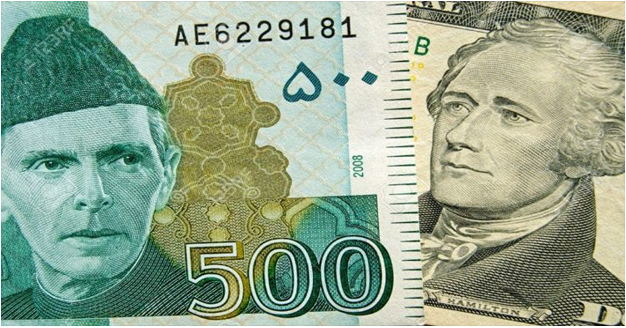
Credit: INP-WealthPk