



INP-WealthPk

Pakistan to complete two key environmental projects this month
June 23, 2026
By Ayesha Saba
Two key development projects of the Ministry of Climate Change and Environmental Coordination are set for completion on June 30, 2026, focusing on strengthening Pakistan’s water quality monitoring systems and enhancing biosafety regulations related to genetically modified organisms (GMOs).
According to a document available with Wealth Pakistan, these projects, implemented with domestic and international support, have focused on enhancing environmental governance, regulatory oversight and compliance with international commitments.
The first project, “Capacity Building on Water Quality Monitoring and SDG-6 Reporting,” has a total cost of Rs1.289 billion, including a PSDP allocation of Rs102 million and in-kind support of $7.42 million from the Korea International Cooperation Agency (KOICA).
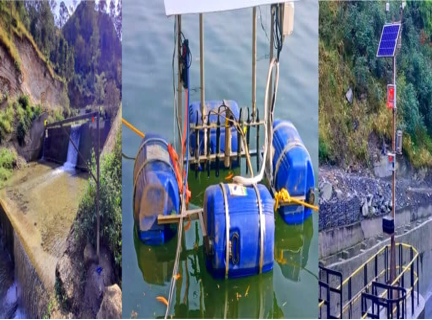
According to the project details, the initiative has strengthened national and provincial capacities for water-quality monitoring and SDG-6 reporting through infrastructure support, training and digital management systems.
Under the project, 45 laboratories across Punjab and Khyber Pakhtunkhwa have been upgraded with modern testing equipment and trained human resources. The project also established a water-quality Management Information System (MIS) along with mobile testing laboratories to improve data collection and monitoring.
The project’s major achievements include the development of standard operating procedures (SOPs), training more than 250 laboratory staff, improving provincial data systems for SDG-6 monitoring, and supporting the formulation of the National WASH Policy.
The second project, “Pakistan Biosafety Clearing House (Pak-BCH) for Regulation of GMOs,” with a total cost of Rs200 million, is also set to be completed by June 2026.
The project was established to help Pakistan meet its obligations under the Cartagena Protocol on Biosafety and serves as a national regulatory platform for GMO-related activities, including approvals, monitoring, and compliance mechanisms.
According to project details, Pak-BCH issued 870 import permits for genetically modified soybean and 129 permits for GM canola. The initiative also generated more than Rs1.5 billion in regulatory fees.
The project further contributed to updating the Biosafety Rules and Guidelines in 2024 and laid the groundwork for establishing a permanent National Biosafety & Regulatory Centre (NBRC) to maintain regulatory continuity beyond the project period.
The completion of both projects marks progress in strengthening environmental governance, water resource monitoring, and biosafety regulation frameworks in Pakistan.
Credit: INP-WealthPk