INP-WealthPk

Pakistan’s agriculture sector grows 2.2pc despite floods as livestock offsets crop losses
May 18, 2026
By Hasan Salahuddin
Pakistan’s agriculture sector expanded 2.2 percent during the first half of FY26 despite severe flood-related disruptions, as strong livestock growth and better-than-expected rice and sugarcane production helped offset losses in major crops, according to the State Bank of Pakistan’s Half Year Report 2025-26.
The report said agriculture growth improved from 1.4 percent in H1-FY25 to 2.2 percent during H1-FY26, boosting the broader recovery in economic activity.
The central bank noted that substantial growth in livestock value addition played the most important role in supporting the sector during the review period.
According to the report, crop production remained under pressure because floods damaged several important kharif crops, particularly cotton and maize.
However, sugarcane and rice production performed better than initially expected.
The SBP said sugarcane output increased due to both higher yields and expanded cultivated area as farmers shifted toward the crop in response to relatively better returns compared with competing crops. Rice production also increased mainly because of improved yields despite lower cultivation area.
The report highlighted that flood-related crop losses were considerably lower than earlier post-flood assessments.
Initial assessments after the floods projected rice output between 8.3 million and 8.9 million tons and sugarcane production between 77 million and 79 million tons. However, actual output reached 10 million tons for rice and 89.4 million tons for sugarcane.
The SBP attributed the relatively contained losses partly to timely rescue, relief and recovery operations in flood-affected districts.
Improved coordination among government agencies also helped restore agricultural activity faster than anticipated in several regions.
Despite the overall improvement, important crops continued to remain under pressure during H1-FY26.
The report showed that the important crops segment contracted 1.6 percent during the review period, although this represented a significant improvement compared with the 12.8 percent contraction recorded in H1-FY25.
The central bank said climate-related disruptions remain one of the largest risks facing Pakistan’s agricultural economy.
The report noted that floods, water shortages and temperature fluctuations continue to affect crop productivity, food prices and rural incomes across the country.
Food inflation remained elevated during H1-FY26 partly because lower wheat production and flood-related disruptions affected domestic food supply chains.
The SBP also warned that fertilizer shortages and rising transportation costs linked to geopolitical tensions could create additional pressures on agriculture in coming months.
According to the report, the war in the Middle East has increased uncertainty regarding energy prices and supply chains, potentially affecting fertilizer imports and farm input costs.
Despite these challenges, the central bank expects agriculture to perform relatively better during the full fiscal year compared with earlier projections.
The report said latest information on wheat production points to a better harvest than last year, although slightly below the official target for FY26.
The expected improvement in wheat output, together with stronger sugarcane and rice production, is likely to support overall agricultural growth during the second half of the fiscal year.
The SBP stressed that improving agricultural resilience would require investment in climate-smart farming, irrigation efficiency, crop diversification and agricultural financing reforms.
The report also highlighted the importance of expanding agricultural credit and adopting modern technologies to improve productivity and reduce vulnerability to future climate shocks.
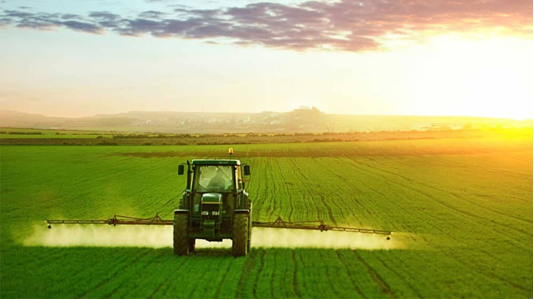
Credit: INP-WealthPk