


INP-WealthPk

Pakistan warns climate risks threaten Kharif crops despite improved farm inputs
August 04, 2026
By Abdul Ghani
The government has warned that below-normal rainfall and rising temperatures could pose significant risks to Kharif crops during the current season, despite improved availability of agricultural credit, farm machinery and key farm inputs.
According to the Finance Division's Monthly Economic Update & Outlook (July 2026), the Pakistan Meteorological Department (PMD), in its seasonal outlook issued on June 30, 2026, forecast below-normal rainfall across most parts of the country during July-September 2026, raising concerns over water availability for major Kharif crops.
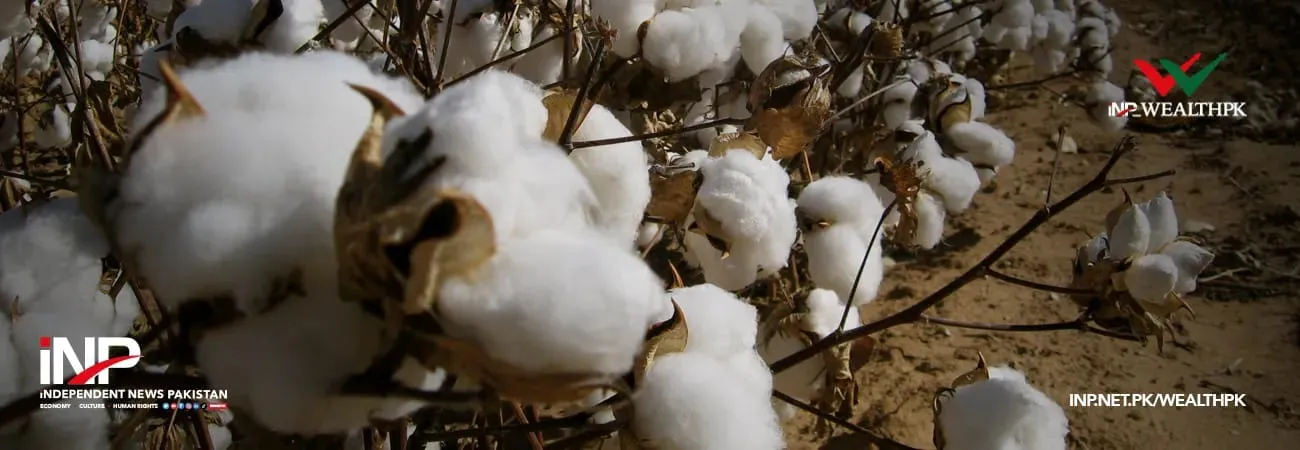
The report states that sugarcane, rice, cotton and maize are likely to face water stress if rainfall remains below normal during the growing season. It also cautions that fluctuations in temperature may trigger strong winds, dust storms, thunderstorms and hailstorms, posing additional risks to standing crops, vegetables and orchards.
According to the document, the weather outlook comes at a time when agricultural activity has shown encouraging momentum. Agricultural credit disbursement increased to Rs2.791 trillion during July-May FY2025-26, up 21.4% from the same period a year earlier, enabling farmers to invest more in crop production and modern farming practices.
The report notes that investment in farm mechanisation also strengthened during the fiscal year. Imports of agricultural machinery and implements rose 23.1% to US$135.3 million, while domestic tractor production increased 3.6% year-on-year to 29,633 units. Tractor sales remained robust at 28,791 units, indicating sustained demand for mechanised farming.
According to the Finance Division, fertilizer availability has generally supported the Kharif season, although usage patterns varied. Urea offtake during April-June 2026 increased 17.8% year-on-year to 1.474 million tonnes, while DAP offtake declined 37.3% to 194,000 tonnes, largely because of higher prices.
The document says that improved access to credit, machinery and agricultural inputs has strengthened the sector's production capacity. However, it emphasises that favourable weather conditions will remain critical for translating these investments into higher crop yields. Adverse climatic conditions could reduce productivity despite greater financial support and increased mechanisation.
The Finance Division expects Pakistan's economic recovery to continue during FY2027, supported by resilient agricultural activity, improving industrial performance and stronger macroeconomic fundamentals. Nevertheless, the report identifies climate-related risks as a principal uncertainty that could affect agricultural output and overall economic performance during the current fiscal year.
The report adds that close monitoring of weather conditions and effective management of emerging climate risks will be important for safeguarding agricultural production during the Kharif season. While farmers have benefited from improved financing and mechanisation, crop performance will ultimately depend on rainfall patterns and the impact of extreme weather events over the coming months.
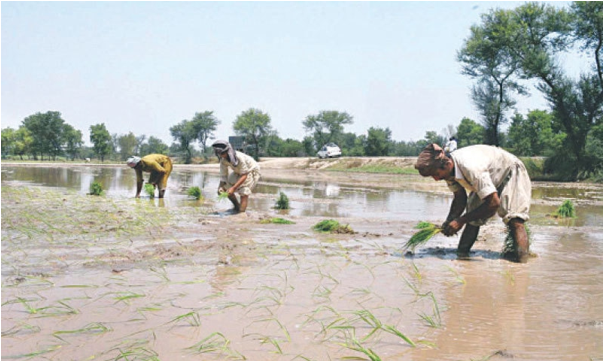
Credit: INP-WealthPk
Related Articles




5G rollout doubles across Pakistan
Aug 20, 26
View more