INP-WealthPk
Pakistan needs greater efficiency as rapidly melting glaciers threaten its water lifeline
May 18, 2026
By Azeem Ahmed Khan
Pakistan’s rapidly melting glaciers are emerging as the country’s biggest long-term climate threat, putting future water supplies, agriculture and energy security at risk, warns Ali Tauqeer Sheikh, a climate change expert.
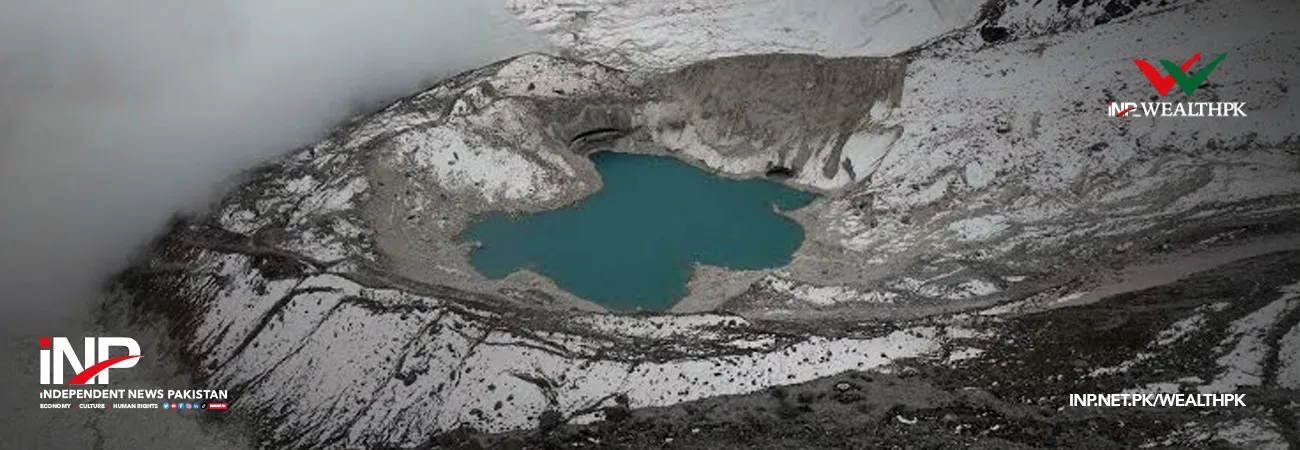
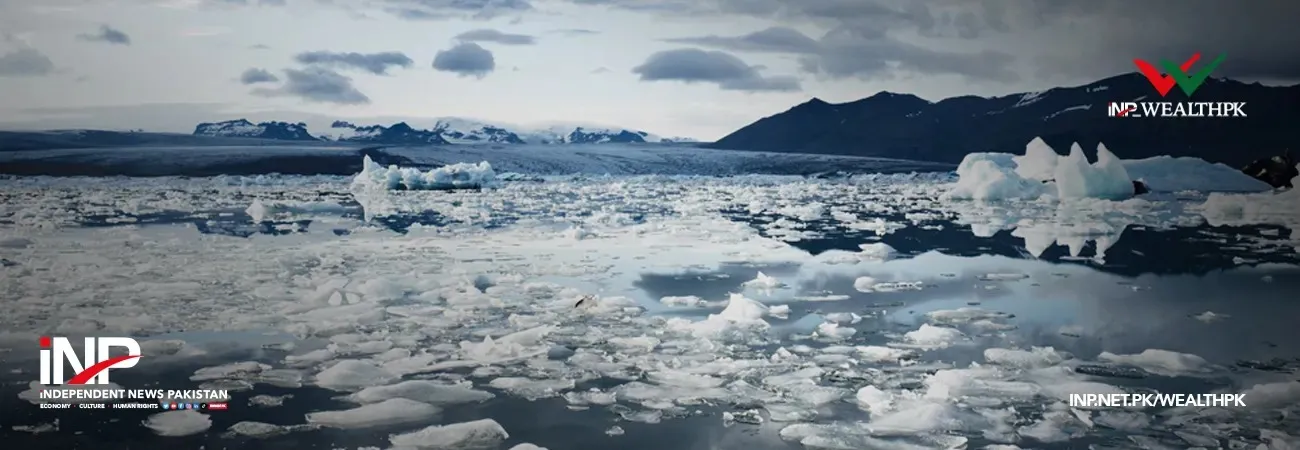
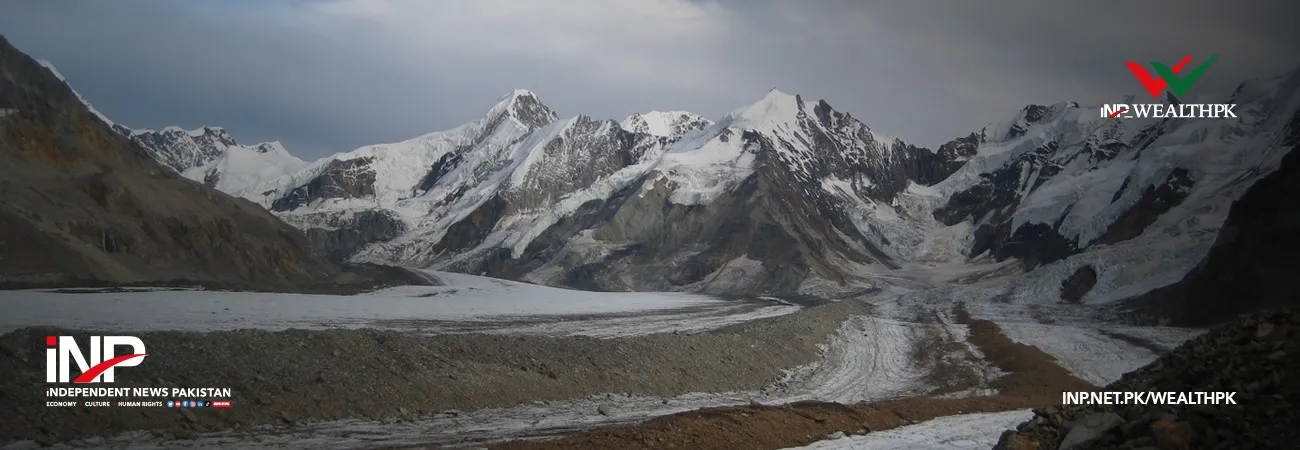
Talking to Wealth Pakistan, he said glacial melt is Pakistan’s most serious challenge, explaining that glaciers in the upper Indus basin are receding at an accelerated pace, threatening the water lifeline for more than a billion people across South Asia who depend on it for agriculture, drinking water and economic activity.
He said the current surge in glacial melt is temporarily increasing water flows, but Pakistan lacks the capacity to adequately manage and store the excess water. “This permanent reduction means that in the next two or three decades we will begin to see large-scale water scarcity,” he cautioned.
According to Sheikh, river systems dependent on glacial waters could gradually dry up, triggering lower agricultural productivity, more frequent droughts and large-scale internal migration. “There is no bigger challenge for Pakistan than instability in the future water supply,” he stressed.
Tauqeer Sheikh said climate change is already disrupting Pakistan’s food production system through unpredictable monsoon patterns, including delayed rainfall, excessive downpours and shifting rain zones.
“This threatens our food stability,” he said, adding that crop damage caused by untimely rainfall and changing seasons is undermining harvests and increasing Pakistan’s vulnerability to global food price shocks.
He warned that rising fertiliser costs, declining crop nutrition and shifting cropping patterns could further destabilise the agriculture sector, which remains central to Pakistan’s economy and foreign exchange earnings.
On the energy front, Sheikh said the country’s hydropower infrastructure is also becoming increasingly vulnerable because glacier-fed water supplies are no longer reliable.
“We may have dams constructed, but we may not have a consistent water supply in our dams,” he noted, adding that large reservoir projects designed decades ago may become less viable due to unstable water flows, sedimentation and rising evaporation losses.
Discussing glacial melt trends, Sheikh said the process varies from glacier to glacier and is strongly influenced by heatwaves and the timing of snowfall. He noted that rising temperatures in the upper Indus basin are accelerating melting, while early-summer conditions in Afghanistan are already contributing additional water to the Kabul River basin.
“For now, it may sound like a good thing that we are getting extra water, but in the long-term, Afghanistan’s glaciers are already more than half gone,” he warned.
Calling for urgent adaptation measures, Sheikh said Pakistan must learn to manage both water scarcity and excess floodwater more efficiently.
He urged authorities to discourage settlements near water bodies, improve water-use efficiency, phase out water-intensive crops such as rice and sugarcane, and expand groundwater recharge systems.
“Pakistan should expect that its water availability will be half by 2047 while the population could double,” he said, stressing that the country would need nearly four times greater water efficiency to cope with future demand.
Sheikh also called for stricter groundwater regulation, warning that the growing solarisation of tube wells is accelerating over-extraction.
“Solarisation of tube wells must be coupled with drip irrigation and stronger regulation,” he said, adding that excessive groundwater extraction should be monitored, regulated and priced to ensure sustainable water use.
Credit: INP-WealthPk