



INP-WealthPk

Pakistan faces major infrastructure challenges in transition to electric mobility
March 06, 2026
By Moaaz Manzoor
Pakistan’s transition toward electric mobility faces significant infrastructure challenges, including limitations in charging networks, grid capacity, and supporting systems required for large-scale adoption of electric vehicles.
According to a study on Pakistan’s automobile industry conducted by the Centre of Excellence in Competition Law at the Competition Commission of Pakistan, the global automotive sector is rapidly moving toward electric mobility, but the shift requires extensive infrastructure development.
The report states that while electric vehicles are gaining momentum worldwide, their successful adoption depends heavily on the availability of supporting infrastructure such as charging stations, reliable electricity supply, and integration with energy systems.
For Pakistan, the readiness of this infrastructure remains an important factor in determining the pace of electric vehicle adoption.
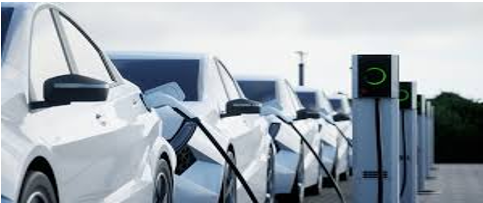
The study notes that charging infrastructure is a critical component of electric mobility. Unlike conventional vehicles that rely on fuel stations, electric vehicles require a network of charging facilities where drivers can recharge batteries.
The availability of such infrastructure influences consumer confidence and plays an important role in the practical use of electric vehicles.
In countries where electric vehicle adoption has expanded rapidly, governments and private companies have invested heavily in developing charging networks in urban centers, highways, and residential areas.
The report explains that establishing similar infrastructure in Pakistan will require coordinated planning and investment involving both public institutions and private sector stakeholders.
Another challenge identified in the study relates to the capacity and modernization of the national electricity grid.
Electric vehicles increase electricity demand because their batteries must be charged regularly. A large-scale transition to electric mobility therefore requires a power system capable of supporting additional energy consumption.
The report states that grid capacity and energy management systems must be strengthened to accommodate the increased electricity demand associated with EV adoption.
In addition to electricity supply, the report highlights the need for planning related to charging standards, equipment installation, and the integration of charging stations with existing transportation infrastructure.
These technical requirements form part of the broader ecosystem needed to support electric vehicle usage.
The study also indicates that the availability of charging facilities is closely connected with consumer acceptance of electric vehicles.
When drivers have convenient access to charging infrastructure, the practical challenges associated with electric mobility are reduced, encouraging wider adoption of EVs.
Conversely, limited infrastructure can discourage potential buyers from switching to electric vehicles, even when such vehicles offer environmental and technological benefits.
The report notes that electric mobility is closely linked to broader environmental objectives, including reducing emissions and improving urban air quality.
However, the successful implementation of electric vehicle policies depends not only on vehicle production but also on the development of supporting infrastructure.
The study states that investments in grid modernization, charging networks, and energy management systems will play a central role in enabling Pakistan’s transition toward electric mobility.
As global automobile markets continue to shift toward cleaner transportation technologies, addressing infrastructure challenges will be essential for Pakistan to participate effectively in the evolving landscape of electric vehicle adoption.
Credit: INP-WealthPk