



INP-WealthPk
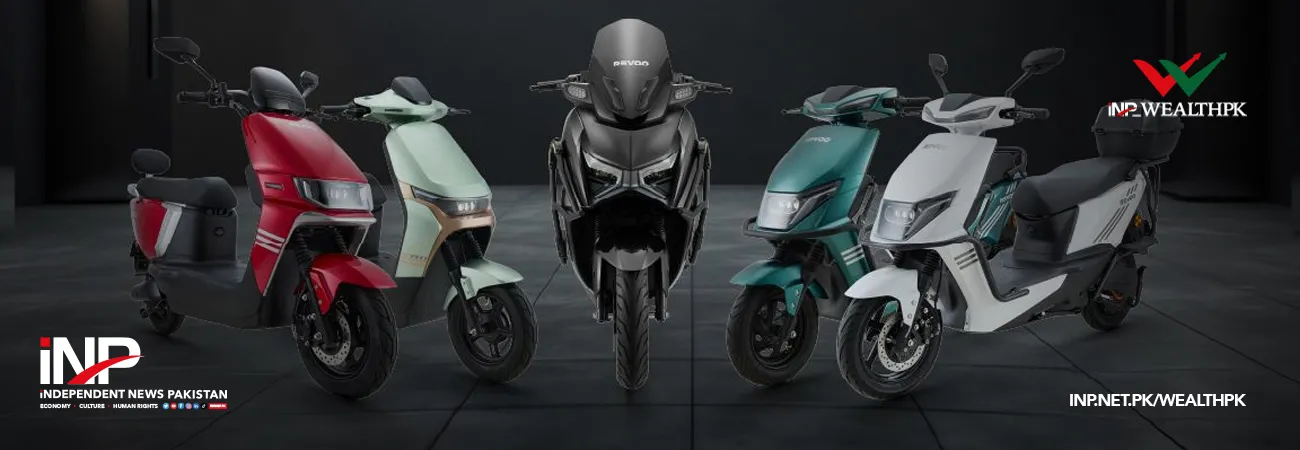
Pakistan certifies 55 electric motorcycle makers, issues 175 production licences
July 20, 2026
By Ayesha Saba
Pakistan's electric motorcycle industry is witnessing stronger regulatory enforcement, as the Pakistan Standards and Quality Control Authority (PSQCA) has brought 55 manufacturers under its certification regime and issued 175 licences for production, reinforcing quality assurance and consumer safety amid the sector's rapid expansion.
According to the documents available with Wealth Pakistan, 105 licences have been issued in Lahore, 22 in Hyderabad, 21 each in Karachi and Faisalabad, 4 in Multan, and 2 in Peshawar.
Additionally, 13 licences have been cancelled following a regulatory action against noncompliant manufacturers, reflecting tighter enforcement of mandatory quality standards.
The Authority says the enhanced certification framework aims to ensure that the growing electric mobility industry develops on internationally recognised safety and quality benchmarks while strengthening consumer confidence in locally manufactured electric motorcycles.
The certification of electric motorcycles is carried out under the Pakistan Conformity Assessment Rules, 2011, which are aligned with international ISO/IEC conformity assessment principles.
Before a licence is granted, manufacturers undergo a comprehensive evaluation that includes application review, factory inspections, verification of production facilities, testing laboratories, calibration of equipment, quality assurance and quality control systems, inspection and testing procedures, technical staff qualifications, and independent third-party testing where required.
The Authority said the regulatory regime is built around the Pakistan Standard for Two-Wheeler Motorcycles (PS 4707), which prescribes mandatory quality and safety requirements for electric motorcycles manufactured in Pakistan.
The standard covers a broad range of technical and safety parameters, including braking systems, combined braking, transmission, parking stands, vehicle noise levels, marking and labelling, sampling and conformity assessment, testing of raw materials and finished products, calibration of testing equipment, electric motor specifications, wiring insulation, rear-view mirrors, horn performance, speedometer accuracy, torque and carrying capacity.
The PSQCA performs mandatory certification and licensing at the manufacturing stage, while the provincial motor vehicle inspection authorities undertake continuous monitoring of vehicle fitness and roadworthiness.
The Authority also maintains regular coordination with the provincial transport authorities through technical committees and national standards committees to ensure uniform implementation of safety regulations across the country.
The Authority has also clarified that it does not provide financial subsidies to manufacturers and that its role is confined to developing standards, certifying manufacturers and ensuring regulatory compliance, while incentives for the EV sector fall under the government's broader industrial and electric mobility policies.
According to the documents, the electric motorcycle certification framework is designed to enhance passenger safety, reduce accident risks, improve product reliability, strengthen consumer confidence and align Pakistan's electric mobility ecosystem with internationally accepted safety standards, supporting the country's transition towards cleaner and safer transportation.
Credit: INP-WealthPk