



INP-WealthPk
Number of protective mango bags to surge to 10m after better results
February 26, 2026
Azeem Ahmed Khan
The number of protective mango bags introduced by the Pakistan Horticulture Development & Export Company (PHDEC) is expected to surge to nearly 10 million this year, reports Wealth Pakistan.
These bags aim to reduce post-harvest losses, enhance fruit quality, and expand access to the premium export markets.
“This mango protection method has proved a breakthrough for growers and exporters alike,” Khawar Nadeem, Manager Agri Products PHDEC, told Wealth Pakistan.
Pakistan produces around 1.8 million tonnes of mangoes annually, yet only about 150,000 tonnes, or 8.3%, are exported – a disparity largely attributed to the losses from pests, blemishes, and handling issues, he said. These losses not only reduce the growers’ income but also limit Pakistan’s ability to access the premium export markets, he added.
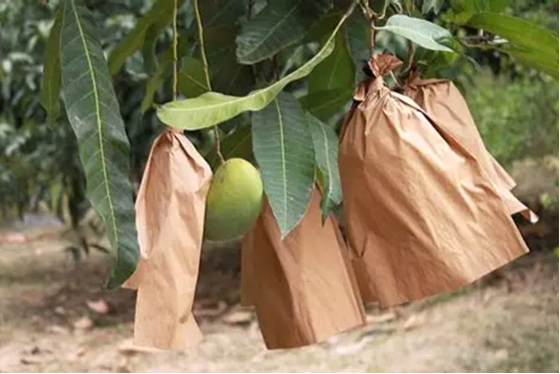
To address losses and make mangoes more competitive in the international market, the PHDEC has introduced bags to shield hanging fruit from fruit flies, dust, and sunburn for 30 to 45 days, thereby reducing reliance on pesticide spraying.
“The result is improved colour, cleaner fruit and stronger acceptance in high-end markets, such as Europe, America and Japan,” Khawar said.
In the international market, a 5kg pack of non-bagged produce typically sells for around $17-18, whereas the same quantity, once bagged, can command up to $30, and the same is the case in other markets.
Mango-producing nations have extensively adopted the bagging method due to its proven advantages in protecting and enhancing the fruit quality. The initiative has rapidly evolved from a small pilot project into an industry-wide movement to help narrow the gap between production and exports in Pakistan, Khawar said.
In the beginning, the farmers were hesitant to adopt this technique.
“We started by distributing 150,000 bags among 25 to 30 growers in Sindh and Punjab. Gradually, as farmers saw the difference in quality and prices, their response changed.”
In 2022, the PHDEC distributed 200,000 mango bags free of charge in Punjab and Sindh. Encouraged by positive results, the initiative continued with the same number of bags during 2023 and 2024. By 2025, the growers and exporters themselves procured 1 million bags for the season -- a sign that the practice had moved beyond subsidy to commercial adoption, he said.
“Looking ahead, the usage is projected to surge to nearly 10 million bags in the coming season, reflecting strong industry confidence in the technique,” Khawar said.
“Bagged mangoes are fetching significantly higher prices because of their superior appearance and reduced pest damage, while exporters report stronger market acceptance and access to premium segments that were previously difficult to enter due to quality concerns.”
Currently, the mango bags are imported from China at a cost of around Rs6 per bag. Growers have urged the establishment of local manufacturing facilities to reduce bag costs and improve accessibility, particularly for small farmers, he said.
Pakistan is the fifth-largest producer of mangoes, and this fruit is the country’s second-largest fruit crop and a cornerstone of its horticulture exports.
Credit: INP-WealthPk