



INP-WealthPk

NIRM spends over Rs471m to serve 160,000 outpatients in 10 months
June 16, 2026
By Moaaz Manzoor
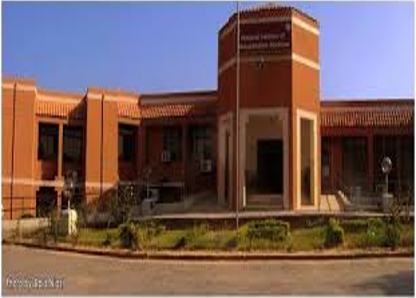
The National Institute of Rehabilitation Medicine (NIRM) spent Rs471.847 million from July 1, 2025 to April 15, 2026 on serving around 160,000 outpatients, with physiotherapy and orthopaedics emerging as the busiest departments, according to a NIRM brief available with Wealth Pakistan.
NIRM’s total allocation for 2025-26 stood at Rs641.879 million. The institute also received an additional grant of Rs89.216 million, while Rs17.478 million was surrendered under 20 percent austerity measures, taking the total budget for the year to Rs713.617 million, the brief showed.
The figures are important because rehabilitation is not only a health issue. For patients recovering from injuries, disabilities, surgeries, or long-term physical conditions, access to physiotherapy, orthopaedics, speech therapy, artificial limbs, and diagnostic services can determine whether they return to work, education, and normal family life.
NIRM works under the administrative control of the Ministry of National Health Services, Regulations and Coordination and serves as a tertiary-level public rehabilitation facility. Its mandate includes diagnostic, medical, surgical, and rehabilitative services for persons with disabilities, along with caregiver support, training of rehabilitation personnel, and linkages with community-based organizations.
According to the brief, physiotherapy carried the highest outpatient load, with 34,203 visits during the reporting period, followed by orthopaedics with 32,680 visits. Together, the two departments accounted for a major share of the institute’s workload, showing strong demand for mobility support, injury recovery, musculoskeletal care and functional rehabilitation.
Paediatric and therapy-related services also remained significant. Paeds Medicine recorded 15,525 visits, Speech Therapy 12,615, and Paeds Surgery 9,678. Psychology handled 9,845 visits, ENT 9,224 and Psychiatry 7,745.
Other departments also contributed to the patient load, with Eye services recording 4,794 visits, Audiology 3,808, Dental 3,216, Dressing 2,847, Urology 2,148 and Skin 1,442, according to the brief.
The institute also recorded 991 indoor admissions during the period, including 424 admissions in FSIU, 192 in MSIU, 236 in the general ward, and 139 in the private ward.
Similarly, diagnostic services formed another major part of NIRM’s work. The brief listed 101,524 lab tests, 680 CT scans, 1,959 ultrasounds, and 15,538 X-rays during the period. MRI was recorded as zero in the table, though the document did not explain the reason for the entry.
The Artificial Limb Centre handled 3,611 cases, pointing to continued demand for prosthetic and orthotic support. Such services have direct economic and social value because they can improve mobility, reduce dependency, and help persons with disabilities participate more actively in work, education, and community life.
The figures show that physiotherapy, orthopaedics, paediatric care, speech therapy, and assistive-device services remained the main pressure points at NIRM during the period. The brief also indicates that public-sector rehabilitation facilities are treating a wide range of patients, from children and persons with disabilities to individuals requiring recovery support after injuries or medical procedures.
Credit: INP-WealthPk