



INP-WealthPk
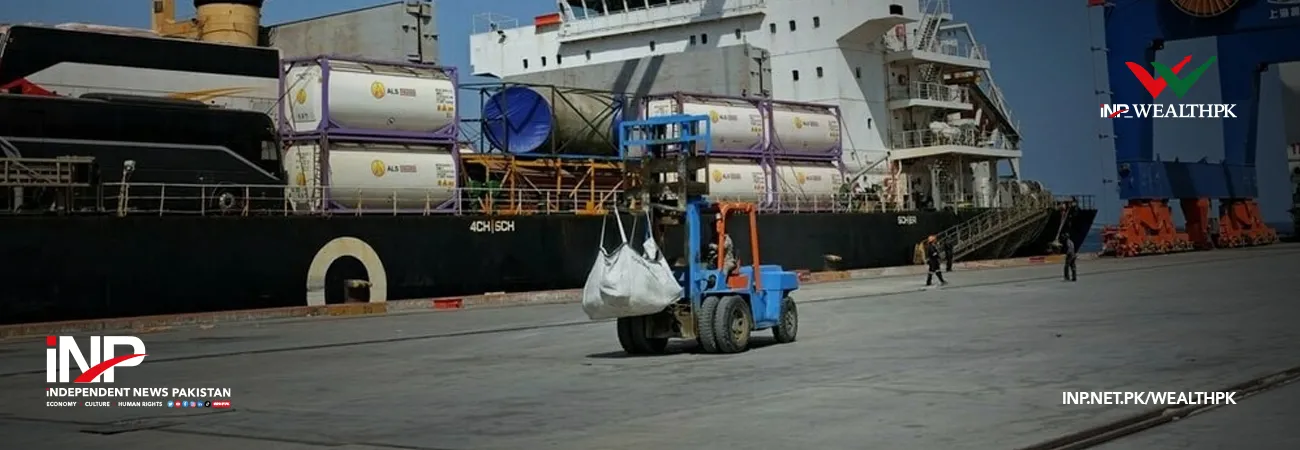
Gwadar yet to build sustained cargo base despite strategic location
April 20, 2026
By Ayesha Saba
Gwadar Port has yet to build a sustained cargo base despite its strategic location near major international shipping lanes, highlighting the structural constraints that continue to limit its commercial momentum.
According to the “Blue Economy under URAAN Pakistan 2026” report prepared by the Planning Commission, cargo volumes at Gwadar have remained nominal over the years, with periodic increases linked to short-term interventions rather than sustained commercial growth.
The report notes that Gwadar, located near the Strait of Hormuz and key international sea lanes, has not been able to generate regular traffic despite its geographic advantage. In FY23, cargo throughput rose to 0.592 million metric tonnes after government wheat imports were routed through the port. However, the report says this was a short-term intervention rather than evidence of sustained traffic growth, as volumes later returned to negligible levels.
It says the port’s long-term viability and sustained activity depend on assured cargo throughput from hinterland industries and the full operationalisation of the Gwadar Free Zones, which were established to generate industrial cargo. Yet their activation has remained constrained by structural bottlenecks, including security concerns, water shortages and power supply limitations, all of which have slowed private investment and industrial clustering.
The report adds that until these constraints are addressed, cargo base formation at Gwadar will remain difficult and the port’s full potential will stay unrealised.
On connectivity, Gwadar is linked through the M-8, N-85 and the coastal highway, giving it road access and a potentially short overland route for transit trade with central Asian countries. Rail connectivity is also planned through the proposed ML-4 line, which would connect Gwadar to ML-3 at Mastung and ML-2 at Jacobabad. In addition, a proposed mineral road and rail corridor from Nokundi to Panjgur is under development to support mineral movement through Gwadar.
Despite these plans, the report makes clear that infrastructure links alone will not be enough to transform Gwadar into a high-activity port without parallel industrial development and reliable utilities in its surrounding areas.
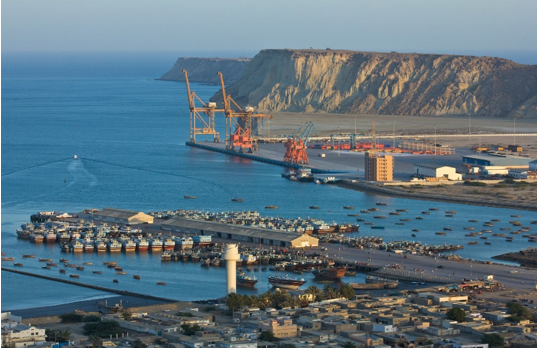
Credit: INP-WealthPk