

INP-WealthPk
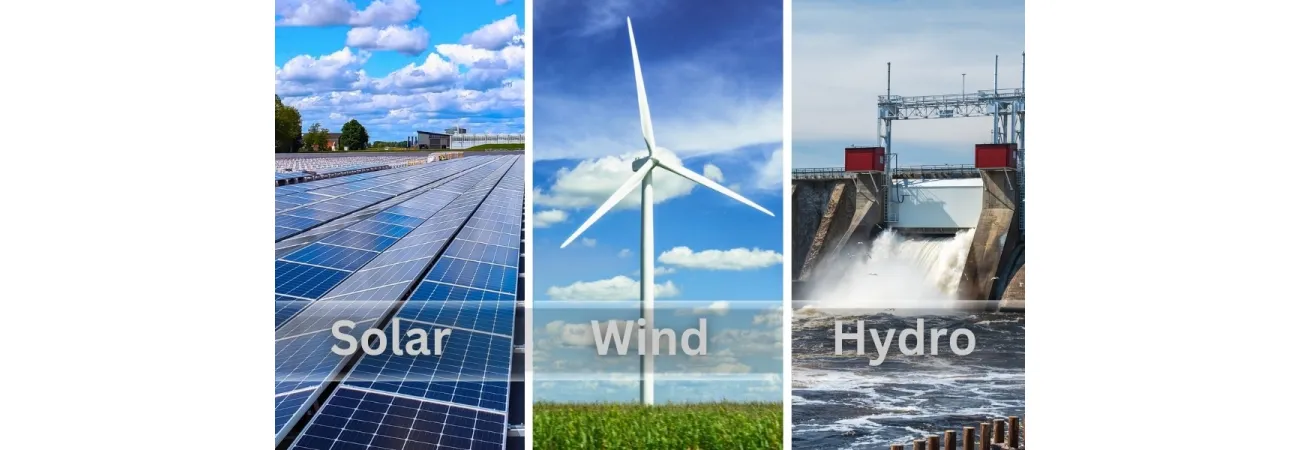
Govt plans to add 15,206 MW renewable energy capacity by 2035
November 19, 2026
By Ijaz Kakakhel
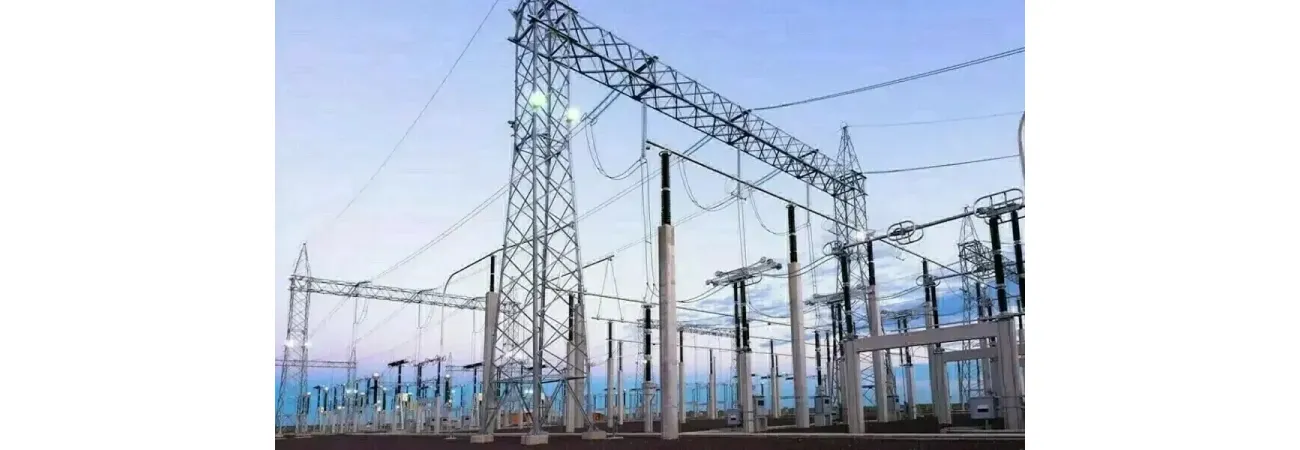
The government plans to add 15,206 megawatts (MW) of renewable energy capacity, including hydropower, to the national electricity generation system by 2035, accounting for approximately 93% of the total planned capacity additions during the 2025–35 period.
According to an official document of the Ministry of Energy (Power Division), available with Wealth Pakistan, the National Electric Power Regulatory Authority (NEPRA) has approved the Integrated System Plan (ISP) 2025–35, envisaging total electricity generation capacity additions of 16,406 MW during the period.
Renewable energy projects, including hydropower, would contribute 15,206 MW, while the remaining 1,200 MW would come from nuclear power generation.
Providing a breakdown of the planned renewable energy additions, the document shows that hydropower projects would contribute 4,505 MW, solar photovoltaic projects under net-metering arrangements would add 8,120 MW, while wind power projects would contribute another 2,581 MW.
Of the planned wind power capacity, 1,190 MW would be added through the National Grid Company/National Transmission and Despatch Company network, while 1,391 MW would be integrated through K-Electric.
The country's total installed electricity generation capacity is projected to reach approximately 62,383 MW by 2035, with renewable energy, including hydropower, accounting for more than 60% of the total installed capacity.
According to the document, the government has not formulated a separate roadmap for achieving a 90% share of clean energy in electricity generation by 2035. Instead, future capacity additions would be planned through the Indicative Generation Capacity Expansion Plan (IGCEP), based on least-cost system planning and implemented under the applicable policy and procurement framework.
The government has already established a policy framework through the National Electricity Policy 2021 and National Electricity Plan 2023–27, aimed at progressively increasing the share of renewable energy in the country's generation capacity.
The policy framework envisages achieving a 60% renewable energy capacity share by 2030, with subsequent additions guided by system requirements and economic considerations.
Currently, utility-scale renewable energy, including hydropower, accounts for approximately 35% of Pakistan's installed generation capacity. However, the share of grid-connected renewable energy capacity exceeds 45% when distributed solar capacity connected through net-metering is included.
The document further notes that substantial captive and behind-the-meter solar photovoltaic capacity has been installed across the country, which is not reflected in these figures.
The IGCEP 2025–35 assessed an indicative requirement of 600 MW of battery energy storage system (BESS) inverter capacity, supported by approximately 1,500 megawatt-hours of storage, with an estimated investment of $900 million to $910 million.
However, NEPRA has not approved the proposed battery storage investment at this stage. Instead, it has directed the Independent System and Market Operator (ISMO) to undertake a comprehensive technical and economic assessment before considering its inclusion in future planning exercises.
The assessment would examine the actual storage requirement, optimal capacity, duration, technology, geographical location, operational applications, reliability requirements, costs and benefits, and overall cost-effectiveness of battery storage systems.
Meanwhile, the National Grid Company has finalised a pilot 20 MW/20 MWh battery storage project at the Jhimpir-I grid station, with a revised project cost of $15.7 million.
An ADB-hired consultant has also been engaged to work on proposed battery storage projects comprising 500 MW (1,000 MWh) in the South under Phase-I and 500 MW (1,000 MWh) in the North under Phase-II.
The first phase carries an approximate cost of $400 million and is expected to achieve commercial operation in FY2029–30.
These battery storage initiatives are intended to support grid reliability, frequency response and the integration of increasing renewable energy capacity into the national electricity system.
Credit: INP-WealthPk
Related Articles