



INP-WealthPk
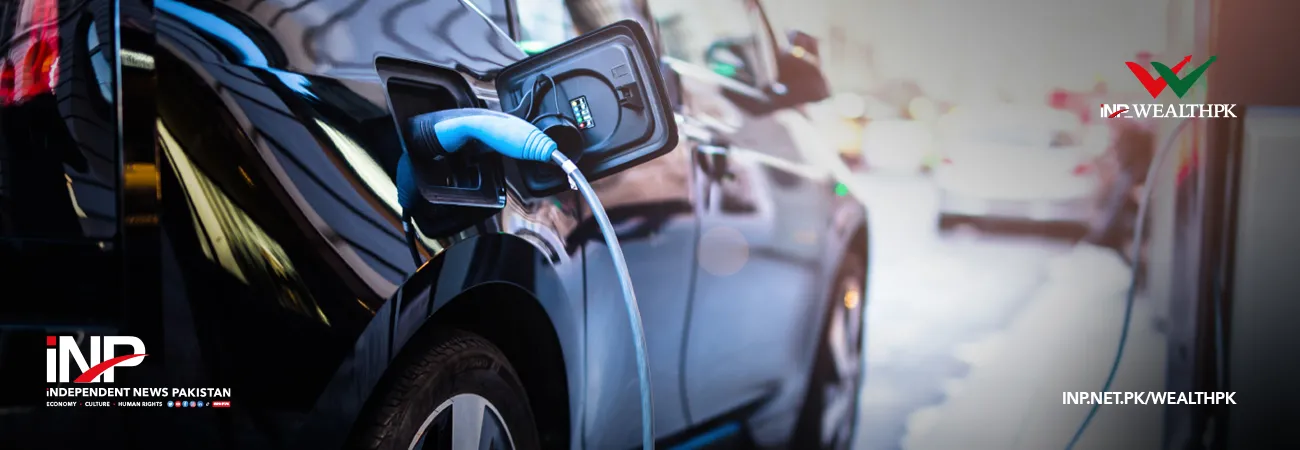
Electric vehicles present major opportunity to transform Pakistan’s automobile industry
March 06, 2026
By Moaaz Manzoor
The transition toward electric vehicles (EVs) presents a significant opportunity for Pakistan’s automobile industry to modernize production, improve energy efficiency, and align with global technological trends.
The global automotive landscape is undergoing rapid transformation as manufacturers increasingly move toward electric mobility and cleaner transportation systems, according to a study on Pakistan’s automobile industry conducted by the Centre of Excellence in Competition Law at the Competition Commission of Pakistan.
The report notes that EVs are becoming an important component of future mobility worldwide. Global EV sales surpassed 17 million units in 2024, accounting for more than 20% of new vehicle sales globally.
This transition is driven by technological innovation, environmental considerations, and policy measures adopted by governments in several countries to promote cleaner transportation options.
The study states that for Pakistan, the shift toward electric mobility represents both an industrial opportunity and an environmental necessity. As the country continues to urbanize and demand for personal and commercial transportation increases, EVs offer an alternative to conventional fuel-powered vehicles.
The report highlights that the adoption of EVs can contribute to reducing emissions associated with road transportation, which is a growing concern in urban areas experiencing increasing air pollution.
Pakistan’s policy framework has also begun to incorporate electric mobility into its long-term planning. The New Energy Vehicle (NEV) Policy 2025–30 has been introduced to encourage the development and adoption of EVs and related technologies.
This policy aims to support cleaner mobility while encouraging industrial development linked to EV manufacturing and technology.
The study explains that the development of electric vehicles involves a broad range of technologies including battery systems, electric motors, charging infrastructure, and advanced electronics.
The introduction of EV production and related industries can therefore stimulate technological development and industrial diversification within Pakistan’s manufacturing sector.
In addition, the transition to EVs may create opportunities for new investment in vehicle assembly, component manufacturing, and supporting infrastructure.
Automobile manufacturers, technology firms, and component suppliers can participate in various stages of the EV value chain, ranging from battery technology to vehicle electronics and software systems.
The report notes that countries that successfully integrate electric mobility into their industrial strategies often experience growth in innovation and technological capabilities within their automotive sectors.
Pakistan’s automobile industry already possesses an industrial base that includes assembly plants, vendor networks, and a workforce with manufacturing experience.
These existing capabilities provide a foundation that could support the gradual expansion of electric vehicle manufacturing and related technologies.
The study further indicates that the development of electric mobility could also contribute to energy efficiency by reducing reliance on traditional fuel sources used in conventional internal combustion engine vehicles.
As global automotive markets continue to evolve toward electric and hybrid technologies, participation in the EV sector may enable Pakistan’s automobile industry to align with emerging international trends.
Through technological adaptation and policy support, the shift toward EVs represents a potential pathway for the transformation and modernization of Pakistan’s automotive manufacturing sector.
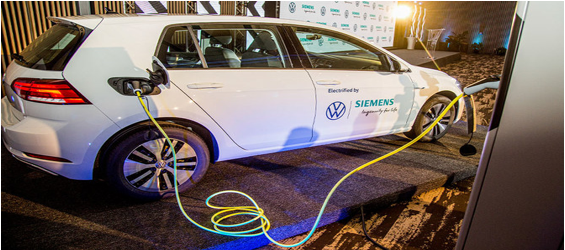
Credit: INP-WealthPk