




INP-WealthPk

El Niño may heighten water, agriculture risks in Pakistan: expert
October 15, 2026
By Muhammad Luqman
El Niño could increase climate variability in Pakistan, affecting rainfall and temperature patterns and putting greater pressure on water availability and agriculture, according to Dr Muhammad Ashraf, Country Representative of the International Water Management Institute (IWMI).
In an interview with Wealth Pakistan, he said El Niño’s effects on Pakistan were not always direct or uniform, but the phenomenon could contribute to periods of unusual heat and changes in the timing and distribution of rainfall.
“Prolonged dry spells, intense rainfall events and higher temperatures can all put pressure on agriculture and water resources,” Dr Ashraf said.
He said Pakistan needed to prepare for greater uncertainty by strengthening climate and weather information services, improving water storage and allocation, protecting and replenishing groundwater, and helping farmers make irrigation and cropping decisions based on reliable climate information.
“The priority should be preparedness and resilience-building rather than reacting to every individual weather event,” Dr Ashraf said.
Commenting on the potential impacts of an El Niño-induced rainfall deficit, he said reduced rainfall could have consequences across the entire water system.
“Reduced rainfall means less runoff into rivers and reservoirs, lower natural groundwater recharge and, in rainfed areas, greater dependence on stored water or groundwater, increasing the risk of crop failure,” he explained.
He said the response should be based on better water accounting and allocation.
“We need to know how much water is available, where it is available, how much is being consumed and where losses are occurring,” the IWMI expert said.
Dr Ashraf said Pakistan must progressively move towards more efficient irrigation practices.
“However, when we talk about efficient irrigation, it does not always mean drip or sprinkler irrigation systems,” he said.
He explained that efficiency could also be improved through laser land levelling, proper farm layouts, bed-and-furrow and ridge irrigation systems and, more importantly, appropriate irrigation scheduling.
The choice of technology, he said, should depend on the crop, farm size, water availability, soil conditions, topography and climate.
Drip irrigation could be particularly useful for high-value crops and horticulture, as well as in situations requiring precise water application, he said. Sprinkler systems could also be useful for suitable soils, crops and landscapes.
For major field crops such as wheat, rice, cotton, sugarcane and maize, Dr Ashraf said improvements in land levelling, irrigation scheduling, field design and water application could also deliver significant gains without necessarily requiring a complete shift to drip or sprinkler irrigation.
On climate-resilient water management, he said digital tools could play an increasingly important role.
Remote sensing, soil-moisture data and water-productivity assessments could help identify where and how much water was being used and where savings could be achieved, he said.
Dr Ashraf stressed that sustainable groundwater management required a balance between groundwater abstraction and recharge.
Groundwater management should combine regulation with incentives, improved irrigation efficiency, recharge measures where technically feasible and the conjunctive use of surface water and groundwater, he said.
Groundwater pumping, whether powered by diesel, electricity or solar energy, also needed to be carefully regulated, he added.
“This could be achieved through the development and implementation of a groundwater regulatory framework that determines where tube wells can be installed, their permissible depth and size, and the volume of water that can be pumped based on the aquifer’s safe yield,” he said.
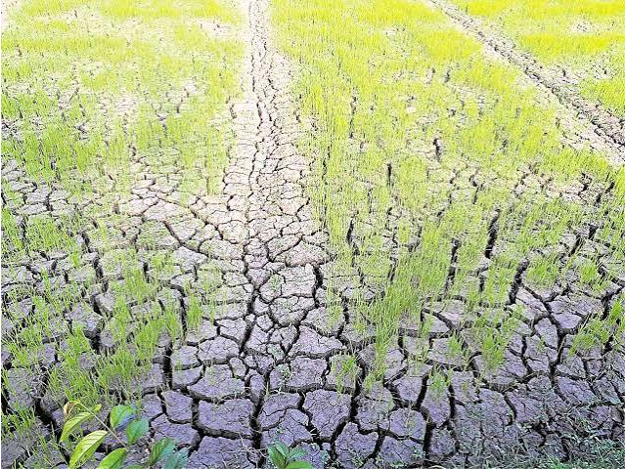
Credit: INP-WealthPk
Related Articles