



INP-WealthPk

COVID-19, commodity surge and floods shaped poverty outcomes in 2024-25 review
February 26, 2026
Ayesha Saba
A combination of the COVID-19 pandemic, global commodity price increases and major flood events influenced poverty outcomes reflected in the FY2024-25 assessment, according to the Preliminary Report on Poverty Estimation 2024-25 issued by the Ministry of Planning, Development and Special Initiatives.
The report outlines key macroeconomic and external shocks that occurred during the six-year review period from 2018-19 to 2024-25 and documents their inclusion in the poverty estimation framework.
According to the document, the COVID-19 pandemic led to economic contraction in 2019-20, affecting employment and income levels. The assessment period also witnessed a global commodity price surge, which contributed to domestic price pressures.
Inflation peaked at 29% in 2022-23, a development that the report associates with rising global prices and domestic adjustments. The cumulative impact of these price increases is reflected in the updated poverty calculations for FY2024-25.
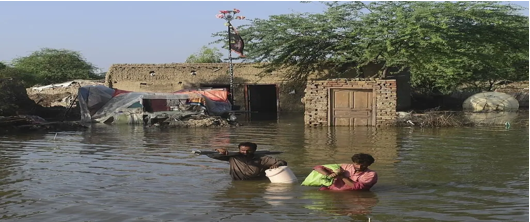
The document also records the economic impact of the 2022 floods, which resulted in estimated losses of approximately $30 billion. The floods affected agricultural output, infrastructure and livelihoods in multiple regions of the country.
In addition, the report notes that further climate-related losses occurred in 2025, estimated at around $2.9 billion. These events formed part of the broader macroeconomic environment during the review period.
The poverty estimation uses Household Integrated Economic Survey (HIES) data and incorporates price adjustments and consumption changes resulting from these macroeconomic developments. The national poverty line was updated to Rs8,483 per adult equivalent per month for FY2024-25.
The report states that these shocks occurred sequentially during the six-year period and influenced household consumption patterns. The cumulative effect of pandemic-related contraction, global price volatility and flood-related losses was reflected in welfare indicators measured in 2024-25.
The document presents these events as contextual factors within the poverty estimation framework, without isolating individual contributions of each shock. The data show that the national poverty headcount rose from 21.9% in 2018-19 to 28.9% in FY2024-25 during the period that included these macroeconomic developments.
The report further notes that the estimation methodology remained consistent with previous surveys, allowing comparison across years while incorporating updated price indices and consumption baskets.
The Preliminary Report on Poverty Estimation 2024-25 documents the impact of COVID-19, global commodity movements and flood-related losses as part of the economic backdrop against which poverty and inequality indicators were assessed for FY2024-25.
Credit: INP-WealthPk