



INP-WealthPk

Cotton crop remains largely pest-free despite localized infestations
June 16, 2026
By Muhammad Luqman
Punjab's cotton crop, the backbone of Pakistan's textile industry, is showing encouraging signs as major pest infestations remain under control and no cases of Cotton Curl Leaf Virus (CCLV) have been detected so far this season, according to the latest official monitoring report.
The Punjab Pest Warning and Quality Control Directorate reported localized increases in thrips and jassid populations during the fourth week of May, but overall pest pressure remained manageable across the province's cotton belt. The positive assessment comes as the province pursues its target of cultivating cotton on 3.2 million acres during the current season, including 700,000 acres under early sowing.
The report for the fourth week of May noted an increase in thrips populations in some areas, with infestation levels exceeding the economic injury threshold in Multan and Khanewal districts. Similarly, jassid populations increased in Khanewal, Bahawalpur, Vehari and Sahiwal.
Encouragingly, no cases of Cotton Curl Leaf Virus (CCLV) have been reported so far this season.
According to the pest monitoring report, pink bollworm infestations remained limited across most cotton-growing areas. However, populations exceeded the economic injury level at some locations in Multan district, while pest pressure was also observed in Bahawalpur and Rahim Yar Khan.
Armyworm infestations were reported at a few locations in Multan and Okara districts. The report added that American bollworm remains under control.
Despite these sporadic infestations, entomologists believe the crop is not facing any major pest threat at present.
"The overall pest situation in the cotton crop remains under control," said Dr Arshed Makhdoom Sabir, Director of the Entomology Research Institute (ERI), Faisalabad.
Talking to Wealth Pakistan, he said the crop had entered a critical stage, requiring heightened vigilance from growers.
"Timely application of pesticides and adoption of preventive measures can help protect the crop from potential threats," he said.
Dr Sabir emphasized that integrated pest management practices could significantly reduce the risk of serious infestations and support healthy crop development.
Meanwhile, the All Pakistan Textile Mills Association (APTMA), representing more than 400 textile mills, has expressed concern over a significant thrips infestation in several cotton-growing areas of southern Punjab.
According to APTMA, the pest attack is affecting plant growth, fruit retention and overall crop development in some locations.
"We urge the Agriculture Department to intensify pest surveillance and provide farmers with timely guidance to help them minimize losses caused by pest attacks," said APTMA Chairman Kamran Arshad.
In a letter to Punjab Agriculture Secretary Iftikhar Ali Sahoo, Arshad said APTMA had recently conducted field visits to cotton-growing districts, including Multan, Khanewal, Lodhran and Vehari.
He noted that despite a reduction in cultivated acreage, crop conditions in many early-sown areas remain encouraging due to favourable weather conditions, suitable temperatures and promising fruit setting.
Kamran Arshad also called on the Punjab Agriculture Department to develop and disseminate realistic, science-based cotton production forecasts for the 2026-27 season to support industry planning and decision-making.
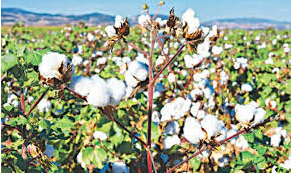
Credit: INP-WealthPk