


INP-WealthPk

China’s waste-to-energy model offers solutions for Pakistan’s waste and energy challenges
June 02, 2026
By Azam Tariq
China’s waste-to-energy model offers insights for Pakistan as the country struggles with rising municipal solid waste, weak segregation systems, shrinking landfill space and an energy sector that needs cleaner and locally available generation sources.
China has increasingly integrated waste management with energy generation, recycling and circular economy planning. China Global Television Network (CGTN), a state-owned Chinese broadcaster, citing data from the Biomass Energy Industry Promotion Association, reported that China’s installed waste-to-energy capacity had reached 27.38 gigawatts by the end of 2024, generating about 145.3 billion kilowatt-hours of electricity.
Xinhua, China’s official news agency, separately reported that more than 1,000 large-scale waste incineration plants are operating across China, processing over 1.1 million tonnes of waste daily. These facilities use combustion control systems, flue-gas treatment and real-time emissions monitoring to convert municipal waste into electricity while reducing dependence on landfills.
For Pakistan, the challenge remains substantial. The International Trade Administration (ITA, a US government agency that publishes country commercial guides) noted in its 2026 Pakistan waste management profile that Pakistan generates approximately 50.79 million tonnes of solid waste annually, with volumes increasing by more than 2.4 percent each year.
The ITA also noted that only about 60 to 70 percent of solid waste is collected in cities, while much of the remaining waste is burned, dumped or buried in open spaces, creating serious environmental and public health concerns.
Pakistan has already begun exploring waste-to-energy (WtE) options. The Punjab Energy Department’s Lahore Waste-to-Energy Project states that the Lahore Waste Management Company (LWMC) would supply 2,000 to 3,000 tonnes of municipal solid waste per day for project development.
Experts say China’s model offers Pakistan a practical direction, but not a shortcut. Waste-to-energy can contribute to cleaner cities and domestic energy generation only when supported by effective segregation, robust recycling systems, reliable feedstock supplies, strict emissions controls and investor confidence. With the right safeguards and policy support, urban waste can be transformed from a growing public burden into a valuable economic and energy resource.
Speaking with Wealth Pakistan, Dr Muhammad Ziad, PhD in Solid Waste Management and Manager of Solid Waste Management at Water and Sanitation Services Peshawar (WSSP), said Pakistan generates more than 49 million tonnes of municipal solid waste annually, with major cities facing growing difficulties in collection, treatment and disposal.
He said municipal solid waste can become a practical source of electricity through WtE facilities that process non-recyclable combustible waste. However, he stressed that such projects should form part of a broader waste management hierarchy that prioritises waste reduction, recycling and composting before energy recovery.
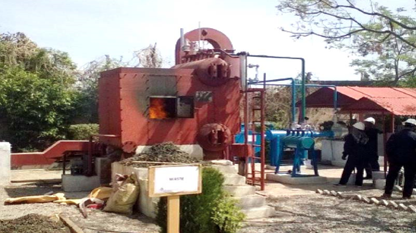
Dr Ziad said the remaining high-calorific-value residual waste could be utilised for electricity and heat generation through technologies such as mass-burn incineration, refuse-derived fuel (RDF) and anaerobic digestion for organic waste.
“This would reduce landfill pressure, strengthen energy security and lower greenhouse gas emissions,” he said.
He noted that commercial viability would require a dedicated national WtE framework defining regulatory requirements, environmental standards, feed-in tariffs and municipal responsibilities.
According to Dr Ziad, guaranteed power purchase agreements, attractive tariff structures, public-private partnerships, long-term waste supply agreements, concessional finance, climate funds, green bonds and carbon credit mechanisms could help reduce investor risk and improve project bankability.
He said China’s experience demonstrates that waste-to-energy projects succeed when backed by long-term planning, clear environmental regulations, government support and private-sector participation.
“Pakistan should treat waste-to-energy as part of an integrated solid waste management system rather than as a standalone power project,” he added.
Similarly, Shafqat Ullah, Director of Projects at the Cleaner Production Institute, told Wealth Pakistan that Pakistan must proceed carefully because WtE projects are capital-intensive and technically demanding.
He said electricity generated from waste could become more expensive than conventional power if waste quality, segregation and plant operations are not properly managed. Pakistan’s municipal waste stream often contains high moisture and biodegradable content, reducing calorific value and requiring effective segregation and drying before treatment.
Shafqat stressed that strict pollution-control technologies must be installed and consistently operated to manage air emissions, wastewater and ash.
“In countries where environmental enforcement is weak, waste-to-energy plants can create new pollution risks instead of solving existing waste problems,” he cautioned.
His concerns underline the need for Pakistan to strengthen waste collection, sorting, drying, recycling systems and environmental regulation before scaling up WtE projects nationwide.
A study published by the Sustainable Development Policy Institute (SDPI, an Islamabad-based policy research institute) on energy generation through municipal solid waste in small and medium-sized districts found that technology selection must depend on local waste composition.
In the Wah Cantt case study, the assessment concluded that anaerobic digestion was the most sustainable option because of the organic nature of the waste stream. The study also found strong potential for thermal treatment, biogas generation and composting—provided a reliable and well-structured waste supply chain is established.
Credit: INP-WealthPk