INP-WealthPk
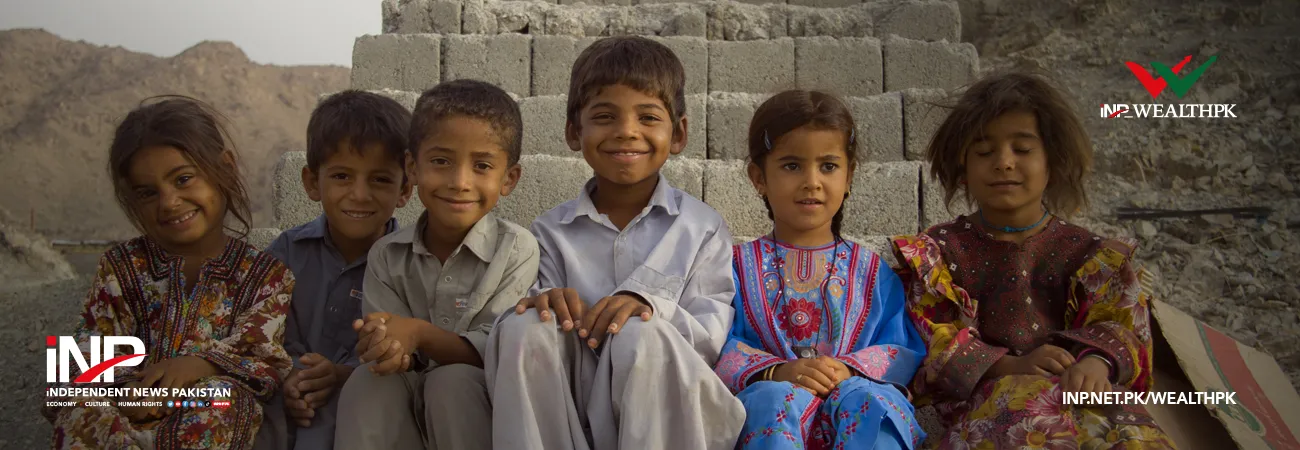
Balochistan’s population may reach 25m by 2050, raising infrastructure pressure
May 18, 2026
By Ayesha Saba
Balochistan is projected to record one of the fastest population growth rates among Pakistan’s provinces by 2050, a trend that could further strain the province’s already limited infrastructure and public services, according to new population projections released by the National Institute of Population Studies, Training and Research (NIPST&R).
The report estimates that Balochistan’s population will grow from 14.7 million in 2023 to nearly 25 million by 2050 under the slow fertility decline scenario.
Although the province is expected to remain Pakistan’s least populous region, the projected increase represents one of the sharpest proportional population expansions in the country.
The projections suggest that pressure on healthcare systems, education infrastructure, water resources, housing and employment opportunities could intensify in the coming decades if development capacity does not expand alongside population growth.
According to the report, fertility rates in Balochistan remain among the highest in Pakistan, contributing to stronger demographic momentum compared with several other provinces.
At the same time, the province is projected to continue experiencing net out-migration, reflecting economic disparities and limited employment opportunities compared with larger urban centres.
Pakistan’s total population is projected to approach 390 million by 2050 under current demographic trends, the report noted.
It further highlighted that regional demographic differences are likely to become increasingly important for future economic planning, public investment and resource allocation.
The report warned that rapid population growth in relatively underdeveloped regions could widen infrastructure and service delivery gaps if investment levels remain inadequate.
The projections also underscored the importance of improving women’s education, healthcare access and family planning services in provinces with relatively high fertility rates.
UNFPA and NIPST&R stressed that balanced regional development and long-term demographic planning would remain essential for managing population pressures and supporting sustainable growth across the country.
Credit: INP-WealthPk