

INP-WealthPk

400 hectares targeted under Sindh floating farm plan
October 15, 2026
By Abdul Ghani
A $9.15 million climate-resilient floating agriculture initiative has been proposed for flood-prone areas of Lower Sindh, featuring innovative farming techniques across 100 villages to enhance food security and strengthen rural livelihoods, according to a document available with Wealth Pakistan.
Under the initiative, organic rafts will be employed to cultivate vegetables, herbs and grains in areas where prolonged waterlogging and recurring floods have affected conventional agricultural activities.
The proposed programme will target 100 waterlogged villages to develop 400 hectares of climate-resilient cropland. It focuses on improving agricultural productivity, ensuring food availability, and reducing the displacement of vulnerable farming communities.
A key objective of the initiative is to improve food security by 30% by 2029 through the adoption of climate-smart and flood-resilient agricultural practices.
The project is expected to benefit approximately 62,500 people, including 12,500 direct beneficiaries and 50,000 indirect beneficiaries.
Under the proposed programme, 10,000 farmers will be trained in floating agriculture techniques and climate-resilient farming methods to help them adapt to changing environmental conditions and make productive use of waterlogged areas.
Special attention will be paid to women's participation in agricultural activities, with women expected to account for 20% to 30% of the farmers targeted for training.
The initiative also envisages establishing and strengthening women-led farmer groups through technical training and seed capital support, to promote women's economic empowerment and create additional livelihood opportunities in rural communities.
The Environment, Climate Change and Coastal Development Department (ECC&CDD), Sindh, is the executing agency for the proposed project.
The United Nations Development Programme (UNDP), National Agriculture Research Centre, Sindh Agriculture University Tandojam and Sindh Agriculture Department have been identified as supporting organisations.
The proposed floating agriculture system represents an alternative approach to addressing the challenges faced by farming communities in areas affected by excessive water accumulation.
If successfully implemented, the initiative could provide a potentially replicable model for climate-resilient agriculture in Pakistan's flood-prone regions, while helping thousands of farming households diversify their agricultural practices, improve food security, and build more sustainable livelihoods.
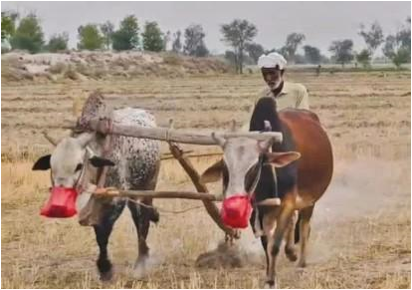
Credit: INP-WealthPk
Related Articles