




INP-WealthPk

176 of 491 packaged food samples fail quality tests in Pakistan
October 15, 2026
By Ayesha Saba
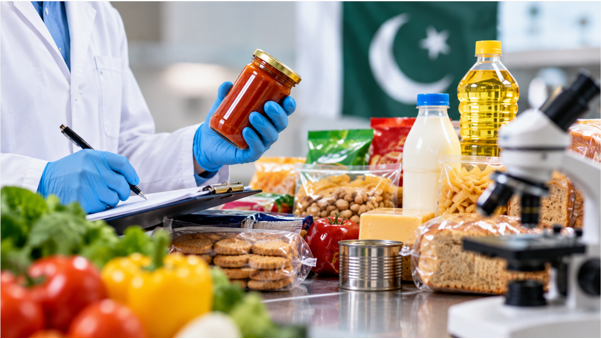
Food quality has emerged as a major consumer protection concern in Pakistan after 176 out of 491 packaged food samples failed quality tests. In response, authorities have launched a nationwide survey of loose edible oil, ghee, and milk, while moving toward enhanced testing standards and stricter enforcement.
The findings were noted during two reviews conducted under the National Price Monitoring Committee (NPMC) in August, according to the Ministry of Planning, Development and Special Initiatives' Monthly Development Update – September 2026, available with Wealth Pakistan.
The ministry's update does not identify the individual products or brands that failed, their geographical distribution, the particular quality parameters against which the samples were tested, or enforcement action taken against the manufacturers or sellers.
The report does not provide details on of the 491 packaged food samples, the names of the products that failed the tests or
Following the findings, a nationwide survey of loose edible oil, ghee and milk was initiated.
The report also said a national food quality framework was directed, alongside enhanced quarterly testing, including in rural markets.
Stricter enforcement against violators was also directed as part of efforts to strengthen food quality assurance and consumer protection.
The food-quality measures emerged from two NPMC reviews conducted during August to assess inflation, food quality and liquefied petroleum gas pricing dynamics.
The reviews came as inflationary pressures remained an important focus of government monitoring.
Average Consumer Price Index inflation during July-August FY2026-27 stood at 10.2%, compared with 3.6% in the corresponding period of FY2025-26.
In August 2026, CPI inflation rose to 11.1% year-on-year from 9.2% in July, reflecting renewed price pressures.
Urban food inflation reached 12.1% in August, while transport inflation stood at 20.2%, emerging as the primary drivers of the overall price surge.
Against this backdrop, the government strengthened market oversight through the NPMC and enhanced surveillance mechanisms to contain price volatility.
The committee's interventions were not confined to food quality. Measures were also initiated to bridge wholesale-retail price gaps.
The report said disparities between notified and market prices of LPG were also taken up, with the Ministry of Petroleum and the Oil and Gas Regulatory Authority (OGRA) tasked with ensuring fair pricing.
The measures outlined in the report covered both food quality assurance and price monitoring as part of strengthened market oversight and consumer protection.
With 176 of 491 packaged food samples failing quality tests, food safety has emerged as a significant concern in the government's August review of inflation, food quality and LPG pricing dynamics.
Credit: INP-WealthPk
Related Articles