

i INP-WEALTHPK

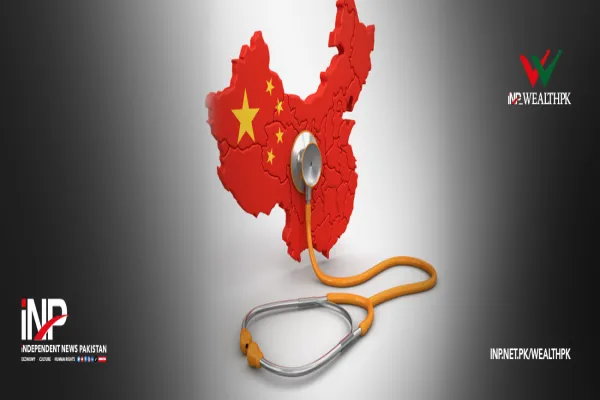
China’s healthcare reforms offer roadmap for strengthening Pakistan’s health systemتازترین
March 26, 2026
By Qudsia Bano
China’s 15th Five-Year Plan (2026–2030) places renewed emphasis on building a stronger and more inclusive healthcare system, with potential implications for Pakistan’s efforts to improve access, reduce costs and strengthen public health delivery.
The plan signals a shift from hospital-centric care toward preventive, community-based and digitally enabled health services, reflecting China’s broader goal of improving quality of life alongside economic development.
At the centre of this approach is the “Healthy China” initiative, which aims to enhance population health, extend life expectancy and reduce disparities between urban and rural areas. Policymakers say the 2026–2030 period will be critical for advancing coordinated healthcare reforms and strengthening public health systems.
A key feature of the plan is the expansion of grassroots healthcare institutions. China is building a tiered healthcare system in which community clinics and local health centres serve as the first point of contact, reducing reliance on large hospitals.
This model improves accessibility, lowers costs and eases pressure on tertiary care facilities, while promoting more equitable health outcomes.
For Pakistan, where hospitals remain overcrowded and primary care systems are underdeveloped, this approach highlights the need to strengthen basic healthcare infrastructure to improve service delivery.
Digitalisation is emerging as a key enabler of China’s healthcare strategy. The plan promotes telemedicine, electronic health records and data-driven decision-making to improve efficiency and expand access to healthcare services.
These digital platforms are particularly important for reaching underserved and remote populations.
In Pakistan, where rural healthcare access remains limited, similar digital health solutions could help bridge service gaps and improve patient outcomes.
China is also placing greater emphasis on preventive healthcare through early diagnosis, health awareness and routine screening.
This approach aims to reduce long-term disease burden and healthcare costs, marking a shift from treatment-focused systems to prevention-led models.
Dr Tehseen Fatime, former programme officer at the World Health Organization, told Wealth Pakistan that Pakistan’s healthcare system remains heavily oriented toward curative services.
She said investing in preventive care and primary healthcare networks is essential to improve population health outcomes and reduce long-term costs.
Pavan Kumar, former health officer at the Pakistan Red Crescent, said digital health infrastructure can play a transformative role in resource-constrained settings.
He noted that telemedicine and integrated data systems can help expand access, particularly in rural areas where healthcare facilities are limited.
Kumar also highlighted the importance of institutional coordination, noting that China’s healthcare reforms are supported by strong alignment between national and local authorities.
In Pakistan, fragmented governance structures often hinder effective service delivery. Strengthening coordination between federal and provincial health systems, he said, could improve efficiency and accountability.
China’s healthcare strategy reflects a broader shift toward human-centred development, where accessibility, prevention and technology integration are treated as core priorities.
Experts say Pakistan can draw key lessons by strengthening primary care, investing in digital health systems and improving coordination across institutions to build a more resilient and inclusive healthcare system.

Credit: INP-WealthPk
متعلقہ خبریں