


i NEWS PAKISTAN
India releases additional water into Sutlej, raise alarm near KasurBreaking
January 22, 2026
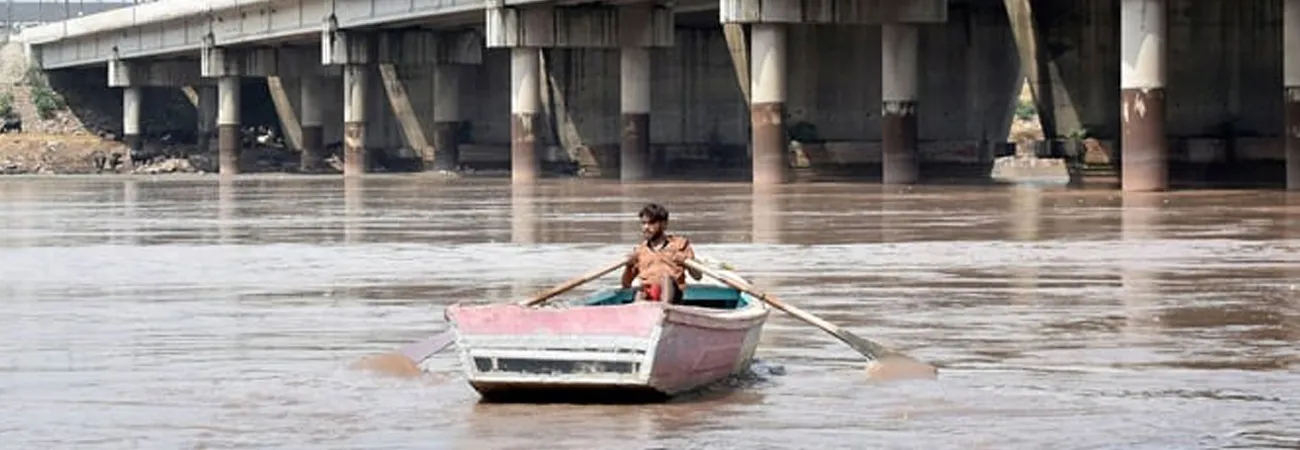
India’s water aggression continued late last night when it released more water into the Sutlej River, resulting in a steady rise in water levels on the Pakistani side near Kasur. According to the details, India has once again resorted to water aggression by releasing water into the Sutlej River under the cover of darkness, raising concerns of flooding and economic disruption downstream in Pakistan.
This is not the first instance of such action, as India has repeatedly been accused of using sudden water releases as a tool to destabilise Pakistan’s economy and disrupt the daily lives of people living along riverbanks.Several reports from late 2025 documented similar incidents in which abrupt discharges into the Sutlej River caused flooding in Pakistani territory.
Earlier, on October 7, 2025, the 24NewsHD TV channel reported that India’s water aggression continued late last night when it released another 60,000 cusecs of water into the Sutlej River, resulting in a steady rise in water levels on the Pakistani side near Bhikki Wind in Kasur. The Provincial Disaster Management Authority (PDMA) Punjab had issued a flood alert for Ganda Singh Wala on the Sutlej River, warning of a moderate flood within two days due to upstream water releases.
According to the latest PDMA report, the flow of water in the Sutlej River has reached 59,000 cusecs at Ganda Singh Wala and 31,000 cusecs at Head Sulemanki, triggering heightened monitoring by authorities. Director General PDMA Irfan Ali Kathia said that water flows in the Sutlej and Ravi rivers largely depend on releases from across the border, emphasising the vulnerability of downstream areas to sudden discharges.
In response, alerts have been issued to the Health, Irrigation, Communication and Works, Local Government, and Livestock Departments, directing them to remain on standby and ensure preparedness for any emergency situation arising from the rising water levels.
Credit: Independent News Pakistan (INP)
Related News