


i NEWS PAK-CHINA
China, Pakistan deepen digital and Industrial PartnershipBreaking
May 26, 2026
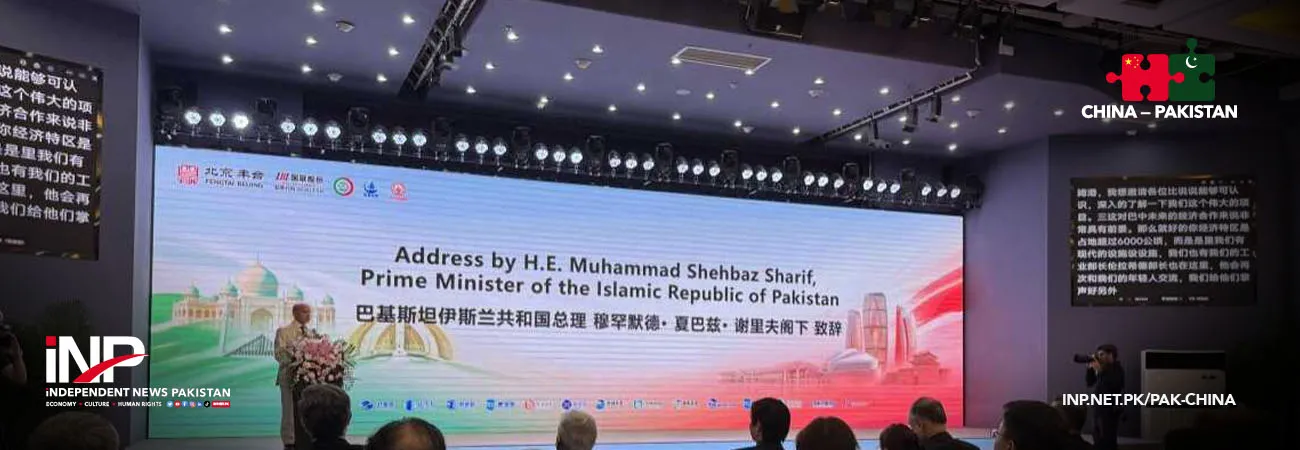
China and Pakistan reaffirmed their commitment to deepening economic and technological cooperation during Prime Minister Muhammad Shehbaz Sharif's visit to the headquarters of IBI Guolian Gufen, China Economic Net reported on Wednesday.
Both sides highlighted new opportunities under CPEC 2.0 in digital economy, industrial development and youth empowerment.
Prime Minister Sharif praised the growing collaboration between Chinese and Pakistani enterprises and assured investors of Pakistan’s full support.
He highlighted that artificial intelligence and information technology are among the most important priorities under CPEC 2.0 and emphasized Pakistan’s efforts to empower its young population through skills development and digital training.
The Pakistani leader also referenced recent engagements with major Chinese technology companies, including Alibaba, aimed at strengthening Pakistan’s e-commerce, agriculture, logistics and transportation sectors.
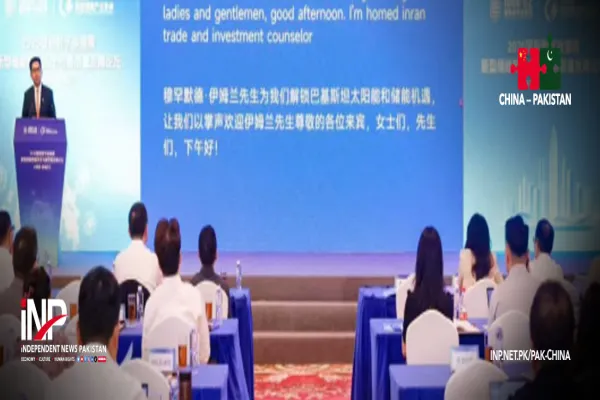
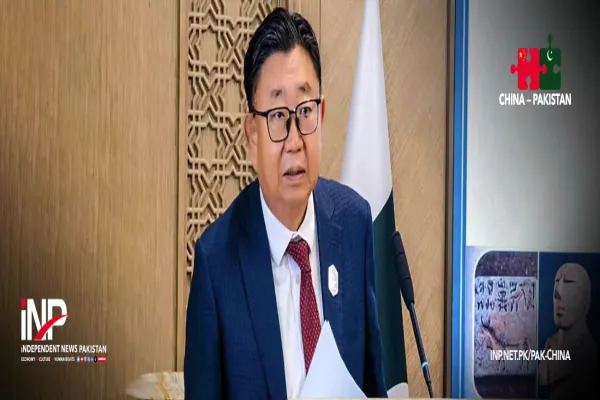
Welcoming the Pakistani delegation, IBI Guolian Gufen Founder and Chairman Qian Xiaojun outlined a series of practical initiatives designed to transform bilateral cooperation into concrete industrial and commercial outcomes.
Qian said the company would mobilize its digital trade ecosystem, supply chain finance capabilities and procurement networks to help Pakistan expand agricultural exports to China, supporting the Pakistani government’s target of increasing food and agricultural exports to $10 billion.
He noted that Chinese enterprises attending the event were focused on delivering “real results” through cold-chain infrastructure, precision agriculture technologies, contract farming platforms and bio-organic fertilizer projects.
“We will systematically and efficiently connect Pakistani products such as sesame, rice, mangoes and seafood with major Chinese markets,” Qian said.
The IBI Guolian Gufen chairman also emphasized cooperation in mineral processing and industrial value addition.
He stressed that Pakistan’s natural resources should be processed domestically to create jobs and strengthen local industries, rather than being exported as raw materials.
“Exporting raw ore belongs to a colonial economy; local value addition belongs to a partnership economy,” Qian remarked.
During the event, both sides discussed plans for Special Economic Zones, including cooperation on a proposed 1,600-acre industrial zone in Lahore. Qian said future cooperation would focus on tangible achievements such as signed agreements, operational factories and local job creation.
Credit: Independent News Pakistan (INP) — Pak-China
Related News