


i NEWS INTERNATIONAL
US move to impose $103,265 fee for H-1B visas hit India hard Breaking
August 25, 2026
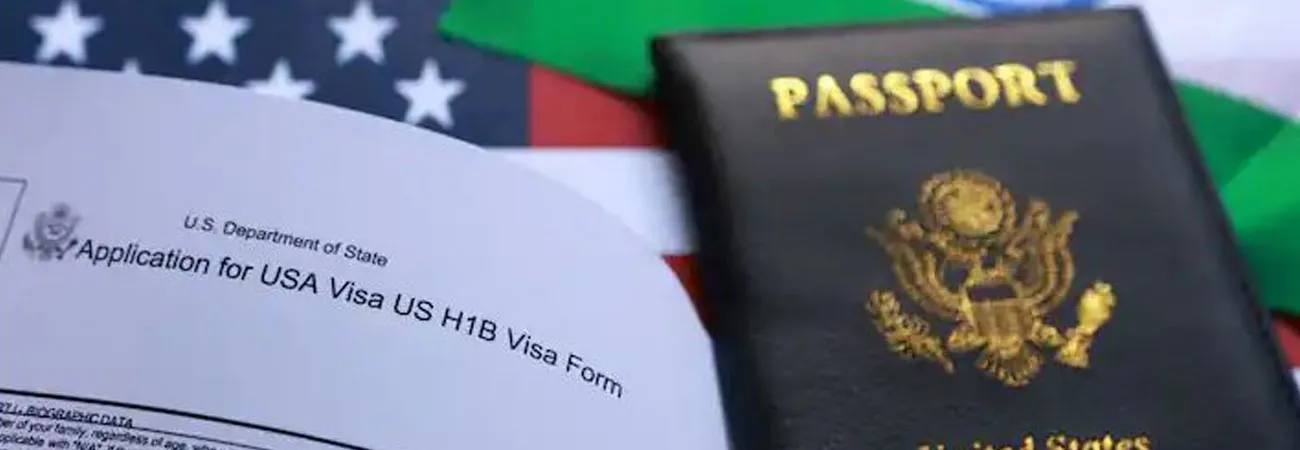
The United States has proposed a massive hike in the fee for H-1B work visas, a move set to adversely affect thousands of Indian professionals who constitute the largest share of H-1B visa holders. The US Department of Homeland Security (DHS) on Monday proposed a USD 1,03,265 fee for all H-1B visa cap-subject applications, including those eligible for the advanced degree exemption. The new proposal came a month after a federal appeals court rejected a plea to stay a district judge's order overturning the Trump administration's plan to charge a USD 1,00,000 fee for H-1B visa applications.".
DHS proposes to implement the USD 1,03,265 amount as a separate, additional H-1B fee rather than combining it with the existing H-1B petition fee," according to a notice published in the Federal Register. The DHS said the fee would apply only to H-1B cap-subject petitions, including those eligible for the advanced degree exemption, but not to cap-exempt filings. It added that the proposed fee is specifically to recover interagency costs and that a standalone fee is intended to facilitate tracking, allocation, and reporting of the associated revenue.
The development is expected to have a direct impact on India, as Indian nationals account for nearly three-fourths of all H-1B visas issued annually. Experts say the exorbitant fee will make it significantly harder for Indian IT professionals, engineers and students to seek employment opportunities in the US, and will also burden Indian companies dependent on H-1B talent. The US Congress has set the current annual regular cap for the H-1B category at 65,000, commonly known as the "regular cap". It has also set aside 20,000 additional H-1B visas for workers who hold a master's degree or higher from a US college, commonly called the "Master's cap.
Reacting to the proposal, Emily Neumann, a US-based immigration attorney, said: "Same number. New wrapper. Same playbook. Throw enough things at the wall to restrict legal immigration and eventually something might stick (this won't)." Analysts say the proposed hike reflects the growing anti-immigrant sentiment in the US and is likely to deepen concerns in India over job security and mobility for its skilled workforce.
Credit: Independent News Pakistan (INP)
Related News