


i NEWS INTERNATIONAL
Nepal buries dead as rescuers seek thousands missingBreaking
August 31, 2026
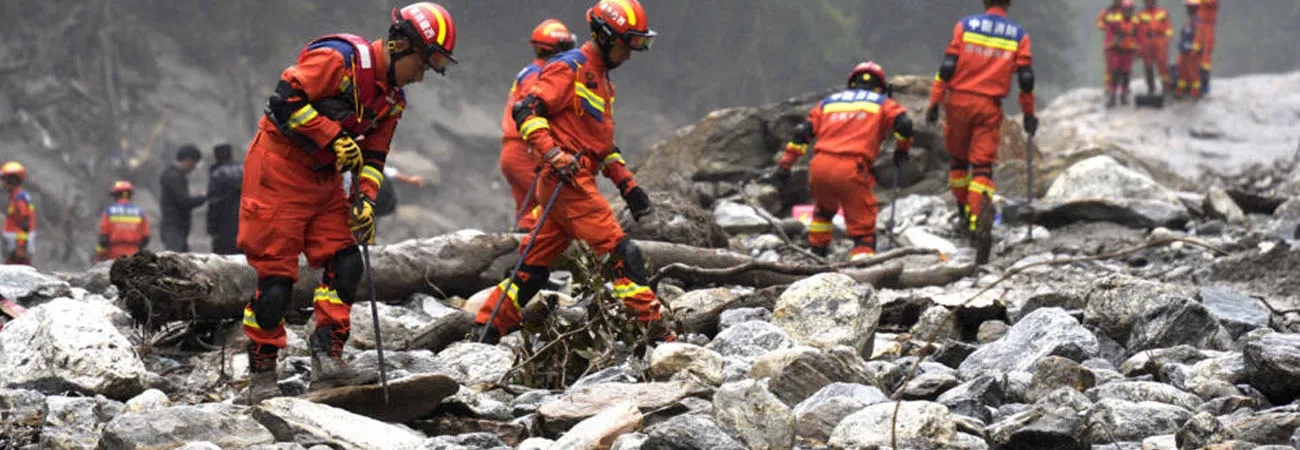
Nepal was burying on Monday some of the hundreds of bodies retrieved after a deadly, tsunami-like flood crashed through the Himalayan region, sweeping away villages and leaving thousands still missing. Distraught families have packed rescue stations and hospitals in search of their missing relatives, while others have faced the grim task of identifying bodies at overflowing morgues. The huge wave of ice, rocks and debris that smashed into villages and towns on Wednesday claimed at least 797 lives in both Nepal and Tibet across the border in China with reports of some bodies possibly swept downstream as far as India.
At least 3,048 people remain missing, including many tourists and pilgrims to Tibet's sacred Mount Kailash. There are also 933 workers at hydropower plants among those unaccounted for in Nepal. Nepali army troops and engineers drilled through debris on Sunday towards workers believed trapped in a tunnel at the Trishuli 3A hydroelectric site in the Himalayan river valley after they successfully inserted a pipe into the passage. Workers who managed to get out described horrifying scenes when the disaster struck.
Surendra Dowluri, 33, from India's Andhra Pradesh state, said raging water swamped the Upper Trishuli-1 site, where he was working. "We heard a very loud sound... and saw that the turbine floor was submerged with slush, and six workers were stuck in that," Dowluri told AFP in the Nepali capital Kathmandu after his rescue four days into the disaster. "We managed to rescue five of them, but one person lost his life," he said, describing how some workers reached higher ground or construction areas out of reach of the torrent.
Overnight rain and rising river waters also hampered rescue operations on Sunday, filling the excavation area with water before conditions eased, the Nepali army said. The disaster was caused by a glacial collapse, sending a wall of water and debris downstream, the US Geological Survey said. The torrent caused the formation of huge lakes, closely watched by emergency workers for risks to their operations.
Credit: Independent News Pakistan (INP)
Related News