


i BLOGS
Why Gold and Silver Prices Are Declining and What lies Ahead?Breaking
February 03, 2026
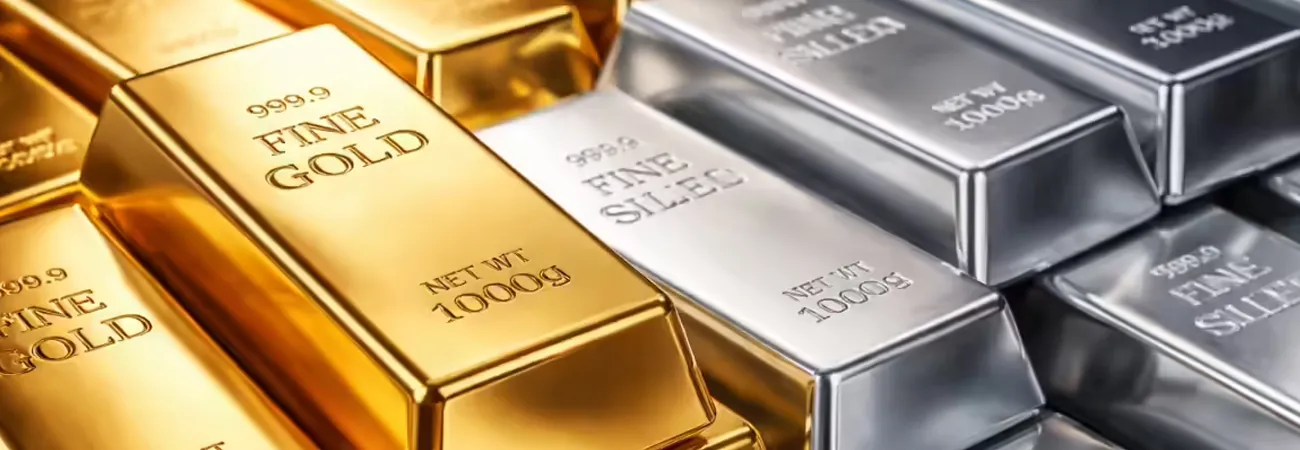
Gold and silver prices have taken a sharp hit over the past few days, leaving investors confused and uneasy. After touching record highs just last week, both metals have entered a steep downward slide in international and local markets, including Pakistan. In the international bullion market, gold prices fell sharply by $215 per ounce to $4,676. In Pakistan’s local market, the price of gold per tola dropped by Rs21,500 to Rs490,362, while the price of 10 grams declined by Rs18,433 to Rs420,406. Silver prices also registered losses, with the price per tola falling by Rs601 to Rs8,504. The price of 10 grams of silver declined by Rs516 to Rs7,205. So, what’s really going on? And why is silver suddenly at the center of a bigger global power game?
At first glance, the explanation seems simple. Investors rushed to take profits. With expectations of aggressive U.S. interest rate cuts fading and the dollar strengthening, many traders decided it was time to cash out. That panic selling triggered a chain reaction, pulling gold, silver, and even copper down together. But silver’s story may be more complicated than a normal market correction.
Unlike gold, silver is not just a safe-haven asset, it’s also a critical industrial metal. It’s used heavily in electronics, solar panels, electric vehicles, and military technology. That makes it strategically important, especially at a time when global supply chains are already under stress. This is where the quiet tension between the United States and China comes into focus.
Market watchers believe the U.S. would prefer lower silver prices to ease costs for manufacturing, clean energy projects, and defense-related industries. A sharp rise in silver makes these sectors more expensive and harder to manage, especially when inflation is still a concern.
China, on the other hand, appears to be playing a long game. Reports suggest Beijing has slowed or restricted silver exports while building its own reserves. If true, this would reduce global supply at a time when demand is rising — a move that could support higher prices in the long run.
So, what’s gonna happen next?
In the short term, volatility is likely to continue. Prices may fall further as traders react to currency movements, interest rate signals, and fear-driven selling. However, if supply tightens and industrial demand stays strong, silver could rebound sharply possibly even faster than gold.
For countries like Pakistan, the impact is immediate. Local prices swing wildly with international markets, affecting jewellers, investors, and ordinary buyers. What looks like a “bloodbath” today could quickly turn into another rally tomorrow.
The bigger takeaway is this: precious metals are no longer just about inflation or safe-haven investing. They’re becoming part of global economic strategy. When major powers compete over resources, markets don’t move smoothly, they swing hard.
Whether the U.S. succeeds in cooling silver prices or China manages to control supply will shape where the metal goes next. Until then, one thing is clear: gold and silver are entering a phase where politics, power, and profit are more tightly linked than ever.
Credit: Independent News Pakistan (INP)
Related News