


i BLOGS
What’s Happening in Iran? Iran protests updatesBreaking
January 13, 2026
Iran is witnessing one of the most intense waves of unrest in its recent history, as protests have erupted across all 31 provinces over the past two weeks. According to the US-based Human Rights Activists News Agency (HRANA), demonstrations have taken place in at least 585 locations across 186 cities, marking the 15th consecutive day of nationwide action against the government.
The state’s response has been increasingly severe. HRANA reports that at least 10,681 people have been arrested, while 544 individuals have been killed. Among the dead are 483 protesters, including eight children. Rights groups warn that the true figures may be significantly higher, as Iran imposed a near-total nationwide internet blackout, cutting the country off from the outside world and making independent verification extremely difficult.
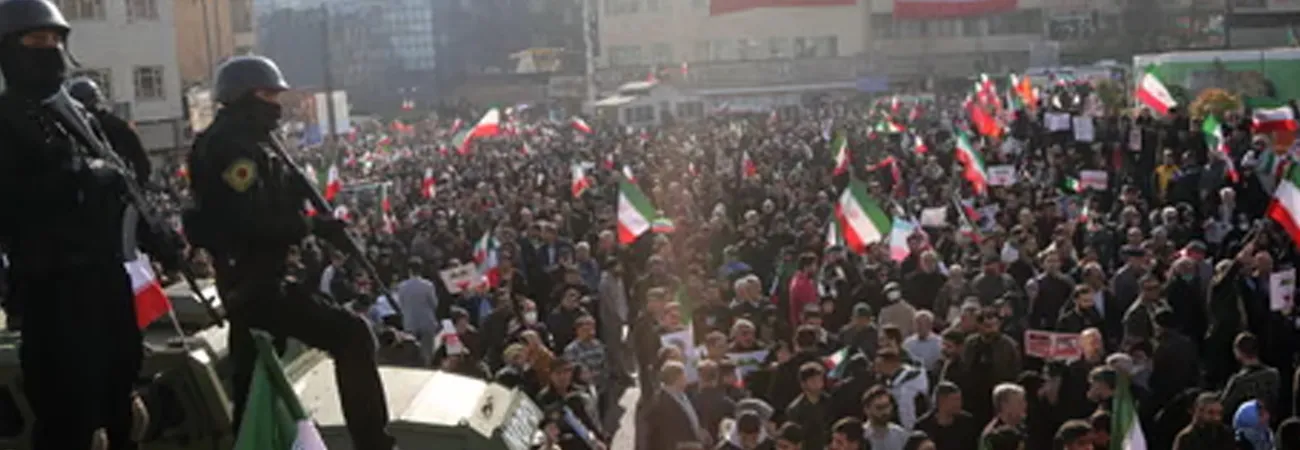
Despite these restrictions, fragmented online videos and eyewitness accounts paint a grim picture. Streets echo with gunfire, buildings and buses burn, and entire neighborhoods have been reduced to rubble. Tehran has been described by residents and journalists as resembling a “war zone,” with similar scenes reported in cities such as Rasht, where an Iranian journalist said, “All the shops have been destroyed.”
Journalists inside Iran face strict limitations, including travel permits, surveillance, harassment, and the constant risk of arrest. Still, the protests show little sign of slowing, even after Supreme Leader Ayatollah Ali Khamenei warned that “rioters must be put in their place.”
This unrest comes at a precarious moment for the Iranian regime, which is still reeling from a 12-day conflict in June involving Israel and US strikes on Iranian nuclear facilities. Combined with economic hardship, political repression, and public anger, the current protests signal a deep and widening crisis. US President Donald Trump announced that countries that do business with Iran will face a 25% tariff when doing business with the US, after saying last night that he is looking at a number of “very strong” options to hit Iran for its handling of the protests. In response to this, Iranian Foreign Minister Abbas Araghchi said in an interview that Iran is ready to engage in nuclear talks with the US, provided that it is without threats or dictates. Whether the government can contain this uprising—or whether it marks a turning point for Iran—remains an open question.
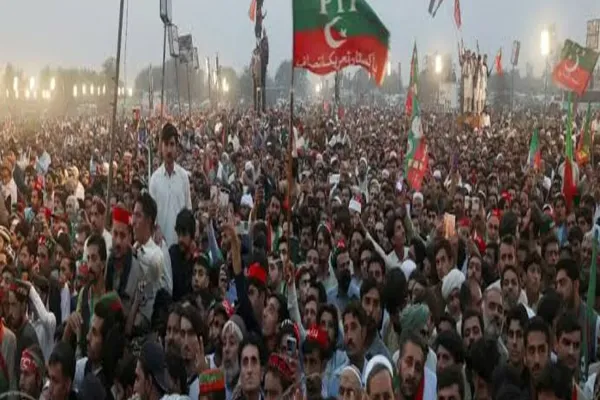
People have poured out of their homes — women, children, the elderly — everyone is part of the protests. A complete blackout has been imposed, internet services have been shut down, yet the people refuse to stop.
The question now being asked, quietly and loudly at the same time, is this: Has any revolution ever come without sacrifice? Or does every nation have to risk lives so that future generations may live with dignity and freedom? This is no longer just about protest; it is about presence. Mothers stand beside their children, elders walk alongside the youth, and fear no longer dictates who stays inside. History shows us that revolutions are never handed over peacefully. They are carved out of struggle, paid for with courage, and remembered through sacrifice.
Credit: Independent News Pakistan (INP)
Related News