


i BLOGS
US-Israe, Iran War latest Updates: US strikes 2,000 targets in IranBreaking
March 04, 2026
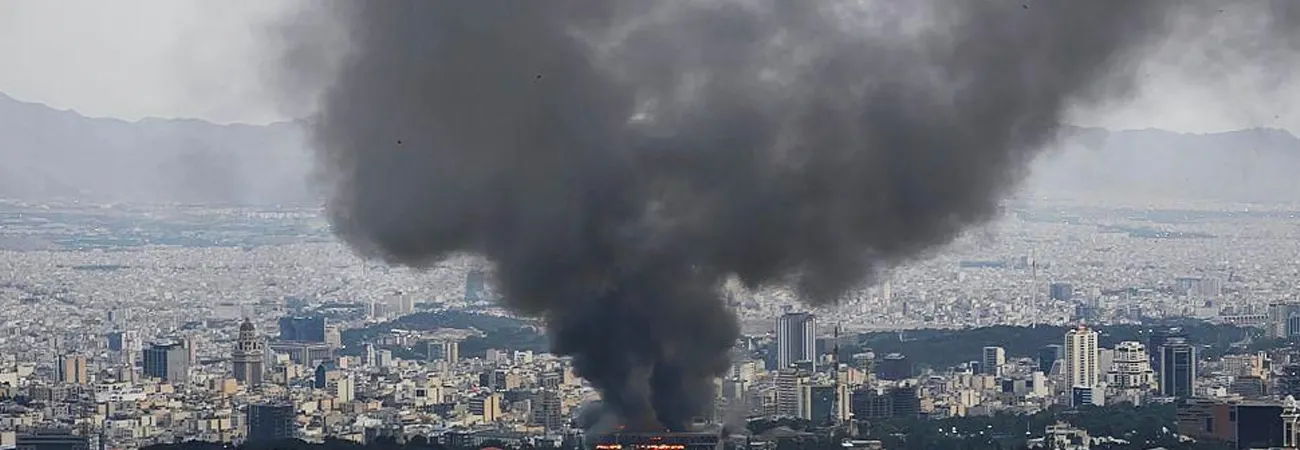
The conflict between the United States, Israel, and Iran has intensified dramatically, pushing the region deeper into instability. In the early hours of Wednesday, Israeli forces launched a new wave of strikes across Iran, describing the operation as broad and extensive. The escalation followed days of coordinated US-Israeli military action that began over the weekend and has since targeted nearly 2,000 sites inside Iran, according to US Central Command.
American officials say the strikes were aimed at neutralizing ballistic missile systems and other offensive capabilities that could threaten US or allied forces. Admiral Brad Cooper, head of US Central Command, described the scale of the assault as the largest US military buildup in the Middle East in a generation, comparing its intensity to the 2003 campaign in Iraq. President Donald Trump claimed that much of Iran’s naval, air, and air defense infrastructure had been destroyed and suggested that key members of Iran’s leadership were killed in the attacks.
One of the most consequential developments was the reported death of Iran’s Supreme Leader, Ayatollah Ali Khamenei, early in the conflict. Iranian media also reported strikes on facilities linked to the body responsible for selecting his successor. While casualty figures remain difficult to independently verify, Iran’s Red Crescent has said hundreds have been killed since the fighting began.
Iran has responded with missile and drone attacks across the region. Projectiles have struck or targeted US diplomatic and military facilities in places including Dubai, Riyadh, Kuwait City, Bahrain, and Qatar. Though many of these attacks were intercepted or caused limited damage, they underscore Tehran’s determination to widen the cost of the conflict. Iranian Revolutionary Guard officials have warned that economic centres across the region could become targets if attacks on Iran continue.
The violence has spilled into neighboring Lebanon, where Hezbollah has launched rockets and drones toward Israel, prompting retaliatory Israeli strikes in Beirut and other areas. Dozens have been killed and tens of thousands displaced, according to Lebanese and UN sources.
Beyond the battlefield, the war is reshaping daily life and global economics. In Tehran, large portions of the population have fled, leaving once-busy streets eerily quiet. Airports and key infrastructure sites have reportedly sustained damage. Meanwhile, fears of disruption in the Strait of Hormuz, a critical oil transit route, have pushed energy prices higher. President Trump has said, “the US Navy stands ready to escort oil tankers through the strategic waterway.”
Despite calls from some Western leaders for rapid de-escalation, including Canadian Prime Minister Mark Carney, who had backed the strikes, said Wednesday in Sydney that it was time for "rapid de-escalation”, the conflict shows few signs of slowing. Diplomatic efforts appear stalled, and both sides continue to signal readiness for further confrontation, raising fears of a prolonged and even wider regional war.
Credit: Independent News Pakistan (INP)
Related News