

i BLOGS
Trump Calls for Full Middle East Ceasefire as Hopes for Peace Growتازترین
June 19, 2026
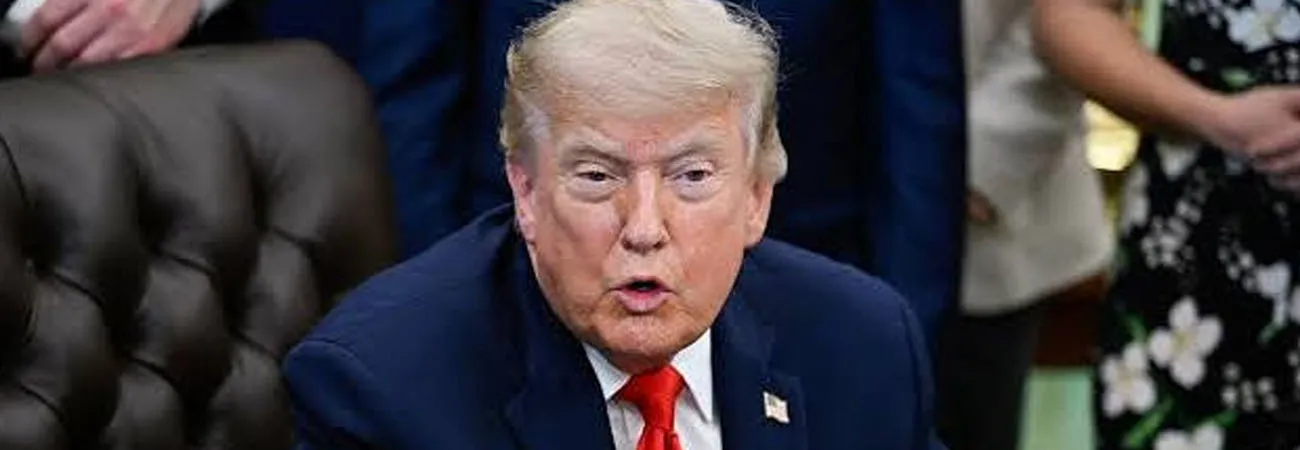
Is the Middle East finally be moving toward a broader period of calm? Tensions remain high across the region, and U.S. President Donald Trump has called for a comprehensive ceasefire involving all sides, including Israel, Lebanon and Hezbollah. His remarks came as fragile cease-fires and a renewed diplomatic push have raised hopes of avoiding another major escalation.
Trump’s call for a full-scale ceasefire comes as reports surface of a new U.S.-Iran deal that would provide sanctions relief in exchange for de-escalation measures and the reopening of the Strait of Hormuz, one of the world’s most important shipping routes. Many analysts see the proposed arrangement as a possible first step toward easing tensions that have threatened regional stability in recent months.
Diplomatic efforts are ongoing, but major differences remain among key stakeholders. In a rare public rebuke, Vice President J.D. Vance criticized Israeli strikes on civilian areas in Beirut and called for more coordination to prevent actions that could derail peace efforts. At the same time, he reiterated Israel’s right to defend itself against security threats — a sign of Washington’s attempt to balance its support for its ally with concerns about regional escalation.
Israeli Prime Minister Benjamin Netanyahu, however, indicated that Israel is not ready to scale back its security posture entirely. Netanyahu rejected calls for a full withdrawal from southern Lebanon, saying Israel plans to maintain a security zone in the area to protect communities near the border.
The developments have attracted considerable international attention, with governments and observers closely watching whether diplomatic efforts can prevail. The prospect of less conflict also boosted financial markets, as investors took heart from indications that the major powers might be moving towards a more stable regional framework.
How to get to a lasting ceasefire is still unclear for now. But with Trump’s call for a broader peace deal, and ongoing diplomatic talks, there is guarded optimism that the region might avoid another cycle of violence. Whether these efforts lead to lasting stability will depend on the willingness of all parties to compromise and sustain the fragile momentum toward de-escalation.
Credit: Independent News Pakistan (INP)
متعلقہ خبریں