
i BLOGS
Saudi Arabia Sends a Clear Message on IranBreaking
January 28, 2026
As regional and global tensions surrounding Iran continue to simmer, Saudi Arabia has publicly taken a position aimed at de-escalation, underscoring a growing push among Gulf states to avoid being drawn into any potential military confrontation.
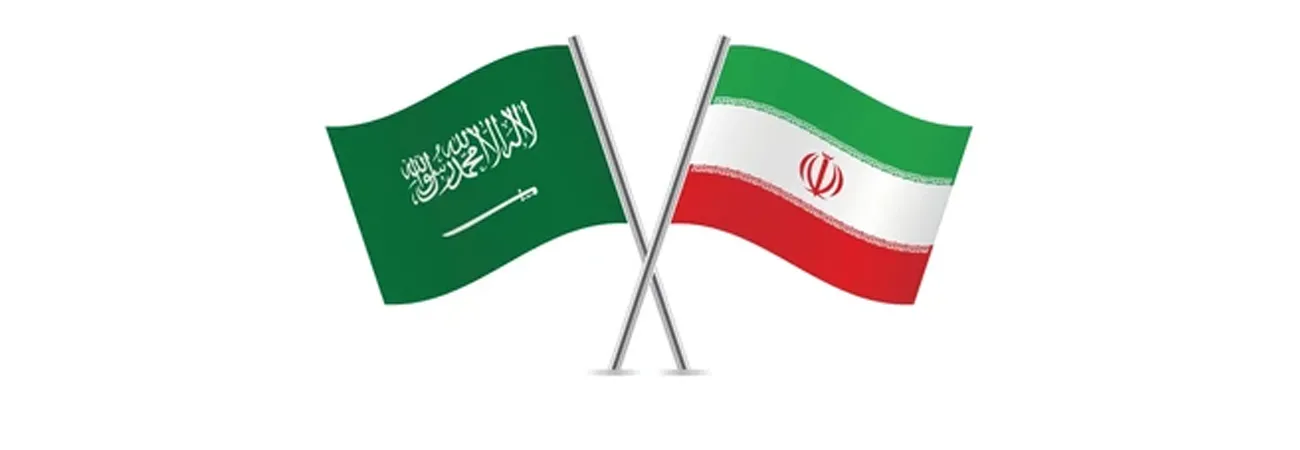
According to Saudi state news agency SPA, Crown Prince Mohammed bin Salman told Iranian President Masoud Pezeshkian in a phone call on Tuesday that Riyadh would not allow its airspace or territory to be used for military actions against Iran. The Saudi leader also reaffirmed his country’s support for resolving disputes through dialogue, emphasizing the need of security and stability across the region.
The message aligns closely with recent comments from Iran itself. Iranian media reported that President Pezeshkian welcomed any process, conducted within the framework of international law, that would prevent war. The exchange reflects a cautious but notable convergence in tone between two longtime regional rivals.
Saudi Arabia’s statement follows a similar declaration by the United Arab Emirates, which said it would not permit military action against Iran using its airspace or territorial waters. Together, these signals suggest that Gulf states are keen to distance themselves from any escalation that could destabilize the region.
Despite these regional efforts to cool tensions, uncertainty has persisted following remarks by U.S. President Donald Trump last week. Trump said an “armada” was heading toward Iran, while also expressing hope that force would not ultimately be necessary.
U.S. officials later confirmed that an aircraft carrier and supporting warships had arrived in the Middle East, expanding Washington’s ability to defend U.S. forces — or potentially take military action against Iran if circumstances change.
Trump’s warnings were tied to concerns over Iran’s internal unrest and the possibility of Tehran restarting its nuclear programme. While widespread demonstrations have recently subsided, the situation inside Iran remains sensitive.
Iran has been shaken in recent months by protests that rights groups describe as the most severe crackdown since the 1979 Islamic Revolution. According to these groups, security forces killed thousands of people, including bystanders, during the unrest.
Iranian authorities have rejected these accounts, blaming the violence on “terrorists and rioters” allegedly backed by exiled opposition groups. The sharply contrasting narratives continue to fuel international concern and diplomatic pressure.
Against this backdrop, Saudi Arabia’s message to Iran carries broader significance. By explicitly ruling out the use of its territory for military action and calling for dialogue, Riyadh appears to be signaling a desire to avoid regional escalation — even as global powers maneuver militarily.
Whether these diplomatic gestures can meaningfully reduce the risk of conflict remains uncertain. For now, they highlight a shared regional interest in preventing war..
Credit: Independent News Pakistan (INP)
Related News