


i BLOGS
Pakistan Bounce Back Strong with 32-Run Victory Over USA in T20 World CupBreaking
February 11, 2026
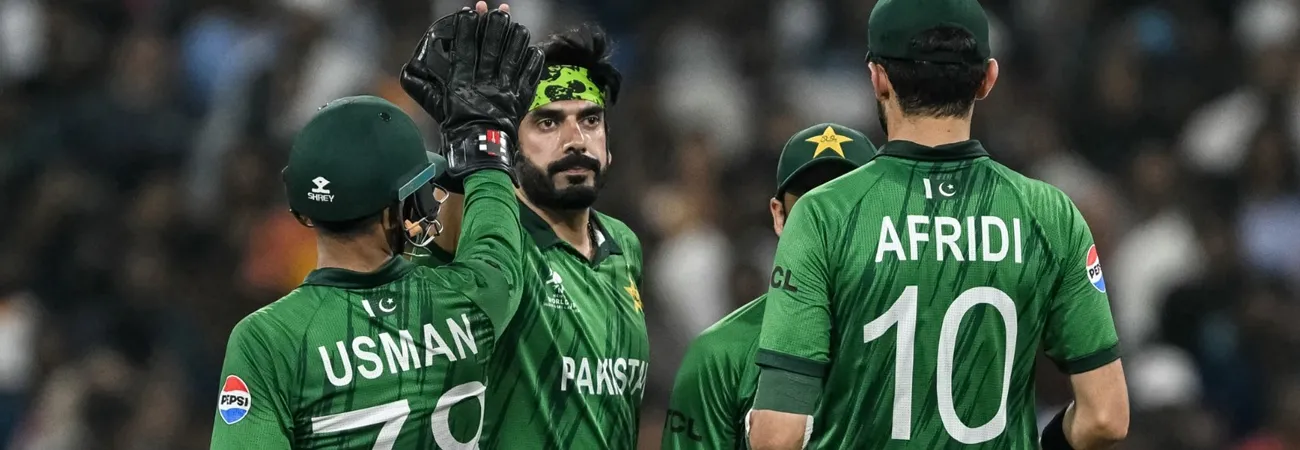
Pakistan delivered a commanding performance as they defeated the United States by 32 runs in their Group A clash of the T20 World Cup at the Sinhalese Sports Club Ground, Colombo, on Tuesday. The win was especially satisfying as it avenged Pakistan’s shocking defeat against USA in the previous edition of the tournament two years ago.
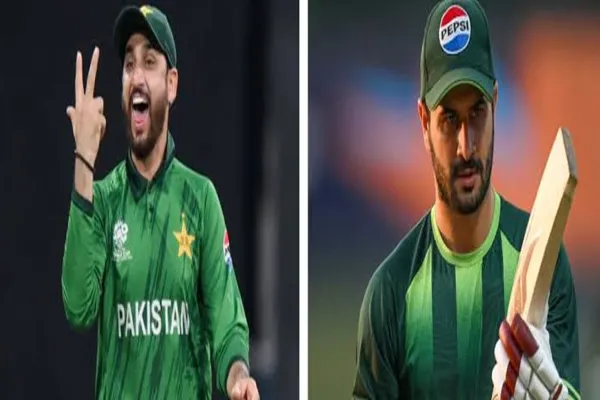
Batting first after being sent in, Pakistan posted an impressive total of 190 runs, thanks to a brilliant opening knock by Sahibzada Farhan, who smashed 73 off 41 balls, including five sixes and six boundaries. He was well supported by former captain Babar Azam, who contributed a classy 46 off 32 deliveries, helping Pakistan dominate the middle overs. The duo added an 81-run partnership that set the foundation for a strong total. Shadab Khan also played a quick cameo of 30 off 12 balls, although Pakistan lost a few wickets in the final overs.
In response, the United States showed resilience but fell short, managing 158-8 in their 20 overs. Opener Shayan Jahangir scored a fighting 49, while Shubham Ranjane top-scored with a solid 51. However, Pakistan’s bowling attack kept the pressure on throughout the innings. Usman Tariq starred with the ball, picking up 3-27, while Shadab Khan also claimed 3-26. Shaheen Afridi, Mohammad Nawaz, and Abrar Ahmed chipped in with one wicket each.
Despite the victory, Pakistan’s pace spearhead Shaheen Shah Afridi had an off day, conceding 42 runs in his four overs. His expensive spell sparked criticism from fans on social media, with many calling for him to be dropped in favour of Salman Mirza ahead of Pakistan’s blockbuster clash against India on February 15.
Pakistan captain Salman Agha praised the team’s all-round display, calling it a “clinical performance,” while also admitting there is room to improve, particularly in the powerplay.
With two wins in two matches, Pakistan now shift focus to their highly anticipated showdown against arch-rivals India in Colombo. Do you think Pakistan will be able to beat India this time?
Credit: Independent News Pakistan (INP)
Related News