


i BLOGS
Iran Attacks Kuwait and Bahrain as Trump Calls Netanyahu ‘Crazy’: Is the Middle East Heading Toward a Wider War?Breaking
June 04, 2026
Iran defended its recent attacks on Kuwait and Bahrain as “self-defence strikes” while US President Donald Trump publicly criticised Israeli Prime Minister Benjamin Netanyahu, sparking renewed tensions in the Middle East, as growing disagreements among key regional players are highlighted.
The developments have raised worries over regional stability, opportunities for diplomatic efforts with Iran and the threat of wider conflict involving the United States and its Gulf allies.
Why Did Iran Attack Bahrain & Kuwait?
Iranian Foreign Minister Abbas Araghchi said Iranian forces launched strikes on sites in Kuwait and Bahrain that were allegedly being used by US forces to carry out operations against Iran.
The strikes were self-defensive, Araghchi said in a statement on the social media platform X, and he criticized the United States for violating earlier understandings to lower tensions.
Iran also accused Kuwait and Bahrain of assisting US military operations, saying both countries are complicit in attacks carried out against Iranian territory.
The strikes were a major escalation in tensions between Tehran and Gulf states hosting US military assets.
Casualties, damage in Kuwait: report
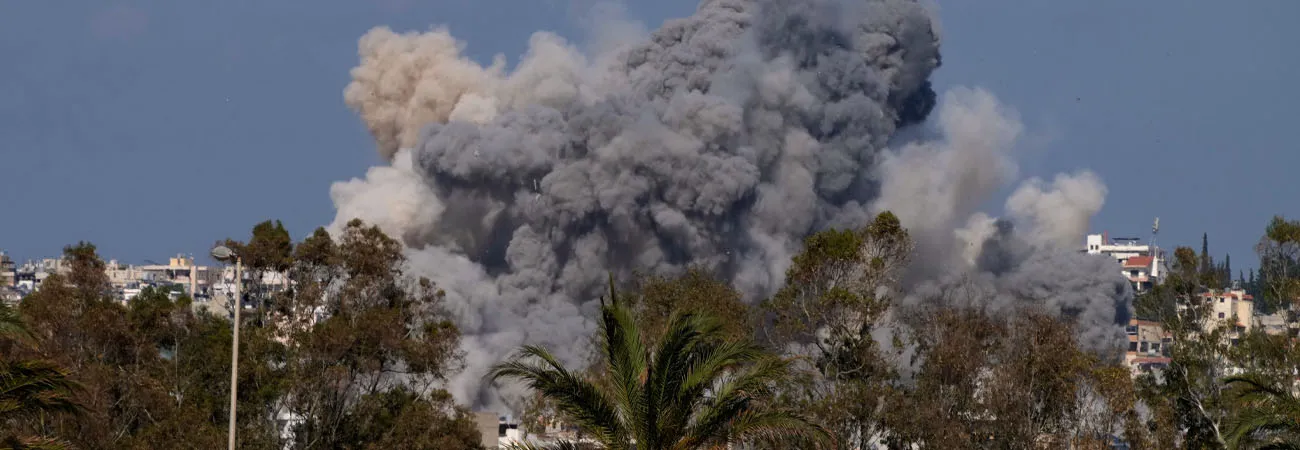
Kuwaiti authorities said one person was killed and 63 others were injured in the attacks.
Kuwait’s Defence Ministry said its air defence systems intercepted 13 missiles and 17 drones fired by Iran.
The attack has renewed concerns over the vulnerability of critical infrastructure across the Gulf region and the possible impact on global travel and trade.
Meanwhile, Bahraini officials also said they had intercepted incoming missiles during the attack, avoiding serious harm.
Iran accuses US of breaking international law
The Iranian Foreign Ministry said in a statement after the attacks that the US had violated international law with military operations on Iranian territory.
Tehran said Iran's military response was justified by recent U.S. actions that violated previous cease-fire agreements.
Iranian officials say their actions were intended to deter further attacks, not escalate the conflict.
But critics say striking neighbouring Gulf nations risks the spread of regional instability and raises the chances of further military confrontation.
The US military retaliated with strikes on an Iranian military ground control station on Qeshm Island in the Strait of Hormuz.
It was taken in response to attacks on Kuwait and Bahrain, American officials said.
The Strait of Hormuz remains one of the world’s most strategically critical waterways, transporting a substantial portion of global oil shipments. Any increase in the region could have implications for international energy markets and shipping lanes.
The latest exchange underscores the fragile security environment in the Gulf and the growing potential for miscalculation among regional powers.
Trump Calls Netanyahu “Crazy”
The crisis deepened when US President Donald Trump confirmed reports that he had called Israeli Prime Minister Benjamin Netanyahu “crazy”. Trump said he was frustrated that the fighting between Israel and Hezbollah in Lebanon was making it harder to pursue a diplomatic engagement with Iran.
The comments are important because they suggest differences between Washington and Jerusalem about how to deal with regional security challenges. The United States and Israel remain close allies, but Trump’s comments indicate there are splits on military strategy and whether diplomacy is even possible.
Disparities Netanyahu, for his part, acknowledged that there have been “tactical disagreements” between his government and the Trump administration.
The reasons for Iran’s attacks on Kuwait and Bahrain, the US military response, and the open friction between Trump and Netanyahu demonstrate the intricacy of the current crisis in the Middle East. As regional powers exchange accusations and military operations continue, fears are growing that the issue could spiral into a wider conflict with profound implications for Gulf security, international maritime traffic and global energy markets. World leaders are under increasing pressure to de-escalate and find a path back to diplomacy before tensions spiral out of control.
Credit: Independent News Pakistan (INP)
Related News