


i BLOGS
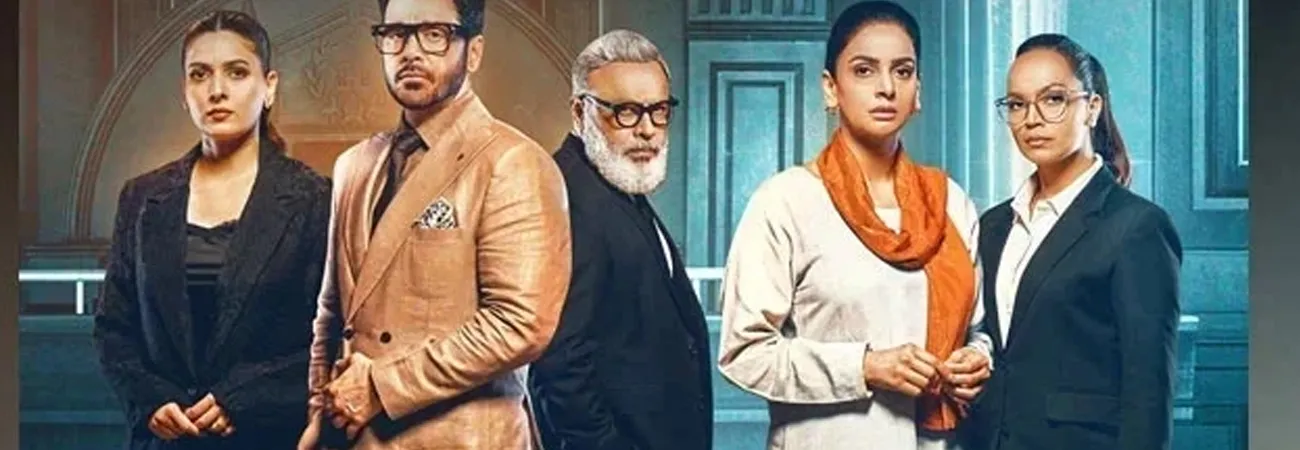
Case No. 9: A Powerful Reflection of Truth, Courage, and Media ResponsibilityBreaking
January 02, 2026
Case No. 9 is not just a script; it is a bold reflection of the harsh realities deeply rooted in our society. With the entry of Shahzeb Khanzada, the narrative gains depth, courage, and purpose. Known as one of Pakistan’s most credible and powerful anchors, Khanzada proves through this script that he is equally strong as a writer who understands society’s wounds and is unafraid to expose them.
The script highlights one of the most alarming truths of our time: countless rape cases remain unreported, silenced by fear, shame, and social pressure. Even among the cases that are reported, only around 3% of victims receive justice. This painful statistic alone is enough to question our system. Khanzada’s writing makes it clear that no amount of money, power, or status can justify such a crime. A rapist, regardless of influence, is a criminal and deserves punishment.
One of the most powerful elements of Case No. 9 is the portrayal of a mindset where a powerful individual believes he can buy everything—honor, silence, and even lives—using wealth. Against this darkness, the script shines a light on something far stronger: truth and moral courage.
Equally impactful is the strong role given to Shahzeb Khanzada’s wife in the narrative. Together, husband and wife present an extraordinary example for society. Ignoring personal relationships, social pressure, and fear, they stand with the rape victim—even when it means standing against their own. This sends a clear message: justice must always come before relationships.
The script also brilliantly highlights the power of media and social media. Media can shape narratives, while a single comment on social platforms can change lives. This reminds us to use our voices responsibly and always in support of truth.
Case No. 9 addresses rape and child abuse as growing human crises. As powerfully conveyed, real control is only possible through accountability and strict punishment. Through this script, Shahzeb Khanzada does not entertain—he awakens society.
Credit: Independent News Pakistan (INP)
Related News