


i BLOGS
Bolton Criticize Trump, “Saying It’s a Mistake to Send the Vice President for Talks with Iran”Breaking
April 13, 2026
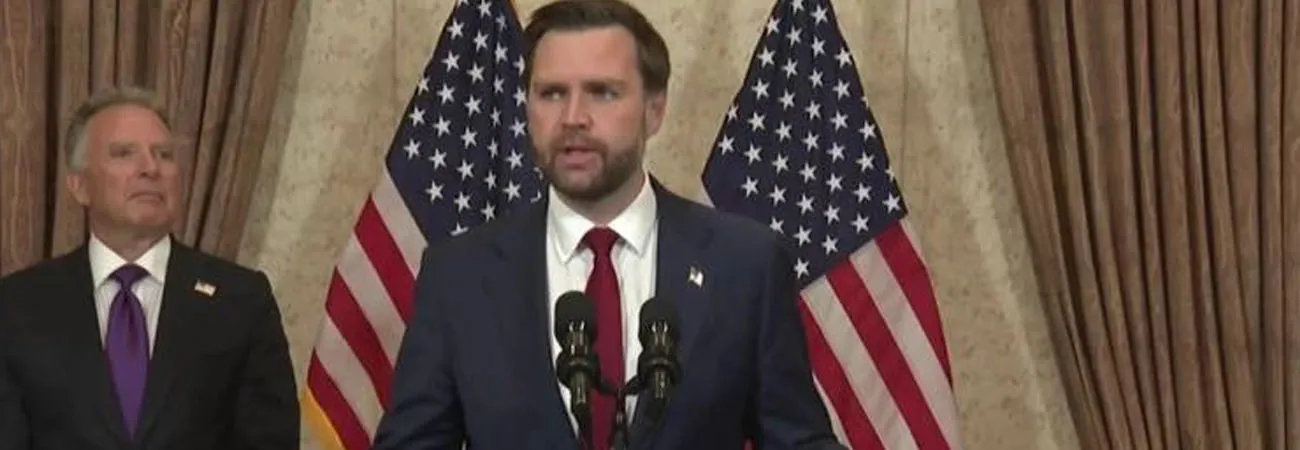
Recent high-level negotiations between the United States and Iran have drawn global attention. U.S. Vice President JD Vance reportedly travelled to Pakistan to lead critical discussions aimed at de-escalating tensions and addressing Iran’s nuclear program.
The talks, which lasted nearly 21 hours, ultimately ended without an agreement. The primary sticking point was the U.S. demand that Iran abandon its nuclear weapons ambitions—something Iran firmly refused to accept.
According to analysts, former President Donald Trump is taking a dual approach. On one hand, he is pushing for diplomatic negotiations; on the other, he continues to apply pressure on Iran. Critics argue that Trump wants Iran to publicly concede defeat so that the United States can maintain its image as a global power. However, Iran appears unwilling to make such a move.
The decision to send Vice President JD Vance itself highlights how serious and high stakes these talks were. This was not a routine diplomatic meeting but a major effort to reach a breakthrough on a long-standing conflict.
However, the move has faced criticism. Former U.S. National Security Advisor John Bolton publicly argued that the United States should avoid negotiating from a position that appears weak. He suggested that sending such a senior official signals eagerness for a deal, which could give Iran greater leverage to stand firm or demand more concessions.
Bolton described the decision as a strategic mistake, emphasizing that involving the Vice President may unintentionally strengthen Iran’s negotiating position rather than pressure it.
As tensions continue and no agreement has been reached, the future of U.S.–Iran relations remain uncertain, with diplomacy and pressure still unfolding side by side.
Credit: Independent News Pakistan (INP)
Related News