



i BLOGS

A New Health Alarm After COVID: Influenza Spreads Rapidly Across PakistanBreaking
December 18, 2025
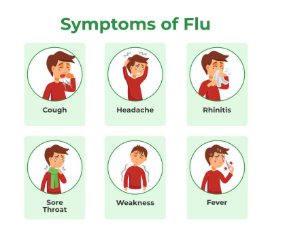
After COVID-19, cases of influenza have begun to rise rapidly in Pakistan. Influenza is a viral infection that mainly affects the nose, throat, and lungs. Its basically the advanced and more dangerous form of flu. Common symptoms include fever, cough, sore throat, body aches, headache, and extreme tiredness. Although influenza has existed for many years, its spread has increased significantly in Pakistan after the COVID-19 pandemic.
After COVID-19, many people experienced weakened immune systems, especially those who were infected with the virus. As a result, influenza now spreads more quickly and affects a larger number of people. Every year, thousands of patients visit hospitals and clinics across Pakistan due to flu-related illnesses. Both urban and rural areas are affected, mainly because of low awareness, poor hygiene practices, and limited access to flu vaccination.
The worst-case effects of influenza can be very serious. It may lead to pneumonia, severe breathing difficulties, heart-related complications, and in some cases, even death. Elderly people, young children, pregnant women, and individuals with chronic illnesses such as diabetes, asthma, or heart disease are at higher risk. After COVID-19, people have become more vulnerable, making influenza more dangerous than before if ignored.
Proper care and prevention are essential to control the spread of influenza:
- Wash hands frequently with soap and water
- Wear masks, especially in crowded places
- Stay at home if you have flu symptoms
- Get the seasonal flu vaccine
- Maintain a healthy diet, drink plenty of fluids, and get enough rest

If symptoms become severe or fever lasts more than three to four days, medical advice should be sought immediately. Influenza can be dangerous, but with timely care, awareness, and preventive measures, its impact can be reduced.
Credit: Independent News Pakistan (INP)
Related News