



INP-WealthPk

Vendors seek incentives to boost localization in Pakistan’s auto sector
December 02, 2025
Ahmed Khan Malik
Pakistan’s auto vendors have urged the government to offer targeted incentives to accelerate the localization of automobile parts. They argued that deeper domestic integration is essential for stabilizing production, reducing import dependence, and improving vehicle affordability. Industry leaders said that with the right fiscal and policy support, Pakistan’s auto sector can build a stronger local supply chain, enhance competitiveness, and unlock export potential.
Representatives of auto parts manufacturers noted that the sector continues to struggle with volatile exchange rates, high import duties on raw materials, and limited access to financing — factors that discourage local production and keep manufacturers reliant on imported components. Vendors believe that meaningful localization, particularly in high-value parts, could significantly shift the sector’s long-term outlook.
The Pakistan Association of Automotive Parts and Accessories Manufacturers (PAAPAM) stressed that current economic conditions present a crucial moment for policy intervention. According to the association, global supply chain disruptions, rising shipping costs, and currency fluctuations have highlighted the importance of strengthening domestic manufacturing capacity.
“While vendors have contributed significantly to localization over the past two decades, further progress is constrained by high production costs, limited technological support, and outdated machinery,” PAAPAM Vice Chairman Shuja-ul-Haq told Wealth Pakistan. He said incentives such as tax rebates, subsidized financing for technology upgrades, and reduced duties on raw material imports would directly support growth. Vendors have also proposed establishing special economic zones dedicated to auto parts manufacturing, offering long-term policy stability and essential infrastructure.
A major concern for manufacturers is the widening cost gap between locally produced components and imported alternatives. Shuja noted that without financial relief, domestic vendors struggle to compete with mass-produced parts from Southeast Asia. While some original equipment manufacturers (OEMs) acknowledge the importance of local content, many remain reluctant to fully shift toward domestic suppliers unless encouraged by government-backed incentives, he said.
He added that deeper localization could help ease vehicle prices at a time when auto sales have dropped sharply due to inflation, high interest rates, and soaring car prices. By expanding local production and reducing reliance on imports, manufacturers could stabilize prices and improve consumer access to new vehicles.
Shuja said beyond cost savings, localization supports technological transfer and skill development. He pointed out that countries such as Thailand, Turkey, and India strengthened their auto industries through structured localization policies that encouraged global companies to invest in local ecosystems. Pakistan, he argued, must adopt similar strategies to remain competitive in the regional market.
The PAAPAM vice chairman said greater localization would also create jobs across engineering, tooling, machining, and quality assurance. Small and medium-sized enterprises — which make up a large share of the vendor base — could expand operations if provided consistent government backing, contributing to broader industrialization and supporting the national economy.
He called on the government to work closely with both OEMs and parts manufacturers to set clear localization targets, emphasizing that policy consistency is essential. Abrupt regulatory changes, he cautioned, could discourage long-term investment in the sector.
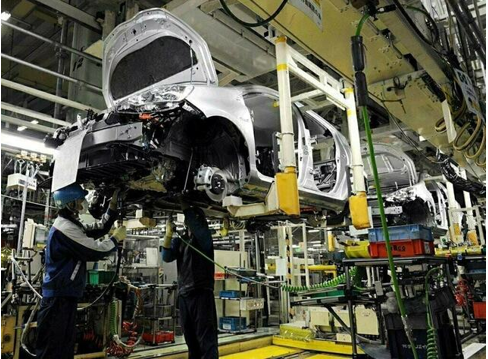
Credit: INP-WealthPk