



INP-WealthPk
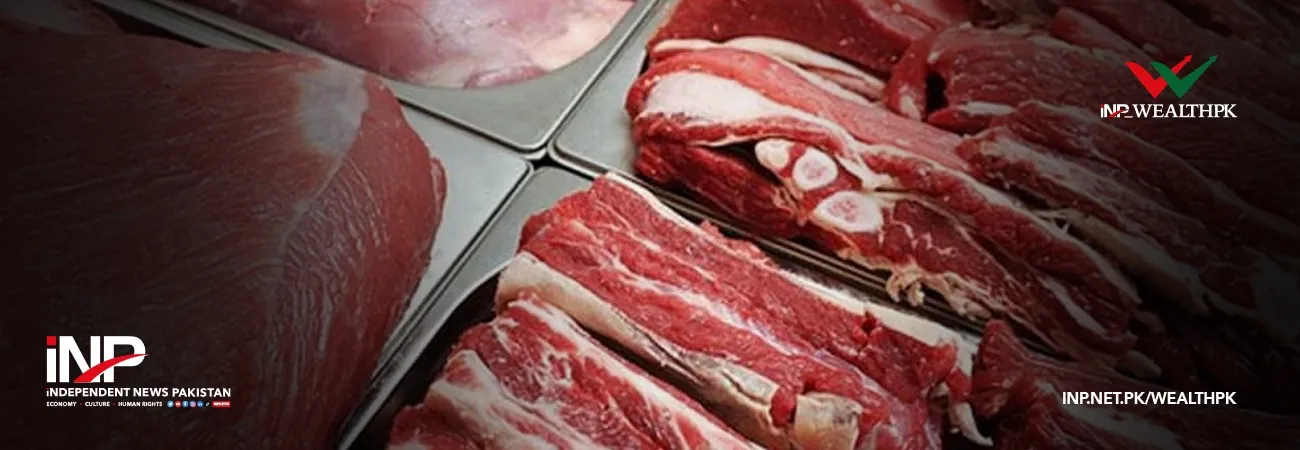
Sindh rolls out incentives to attract meat processing and packaging investment
January 23, 2026
Ahmed Khan Malik
The Sindh government has finalized an incentive package to attract investment in meat processing and packaging plants, a move officials say will strengthen the province’s agro-industrial base, boost exports, and create thousands of jobs across the value chain. Under the new policy framework, investors establishing modern meat processing, cold storage, and packaging facilities in Sindh will be offered a mix of fiscal and non-fiscal incentives.
These include tax relief, subsidized land in designated industrial zones, reduced utility tariffs for a specified period, and streamlined regulatory approvals. The initiative forms part of the province’s broader strategy to diversify the economy and add value to its substantial livestock resources. Sindh hosts a significant share of Pakistan’s livestock population—cattle, buffalo, sheep, and goats—but much of the meat trade has traditionally remained informal, with limited processing and value addition and constrained access to premium international markets.
Fazil Hingoro, Director at the Sindh Industries Department, told Wealth Pakistan that promoting modern processing and packaging would help bridge these gaps by improving hygiene standards, reducing wastage, and meeting international quality and halal certification requirements. He said the incentive package prioritizes export-oriented units and projects that adopt international best practices in food safety, traceability, and cold-chain logistics.
Investors will be encouraged to install modern slaughterhouses, deboning and processing lines, blast freezers, vacuum packaging units, and quality-testing laboratories. Environmental compliance, including waste treatment and by-product utilization, has also been emphasized. “The policy is designed to position Sindh as a competitive regional hub for halal meat production,” Hingoro said, noting that global demand for halal meat is rising steadily, particularly in the Middle East, Southeast Asia, and parts of Europe.
“Sindh has the raw material base; the focus now is on processing, branding, and compliance to capture a larger share of these markets.” The government also plans to work with private investors to upgrade supporting infrastructure, including access roads to livestock markets, veterinary and animal health services, and cold-chain networks from farm to port.
Training programs for workers in meat handling, processing, and quality control are expected to be launched in collaboration with technical institutes and industry associations. Hingoro said incentives for processing and packaging could help stabilize prices, reduce post-slaughter losses, and improve returns for farmers. He added that value-added products—such as chilled cuts, frozen portions, and ready-to-cook items—offer significantly higher export earnings than live animal or carcass exports.
He said transparent procedures, consistent regulatory enforcement, and coordination between provincial and federal agencies—particularly on export documentation and international certifications—will be ensured for effective implementation. Reliable electricity and water supply to processing zones will also be critical to attracting long-term investment. The incentive scheme, he added, will be reviewed periodically to assess impact and incorporate industry feedback.
Credit: INP-WealthPk