



INP-WealthPk
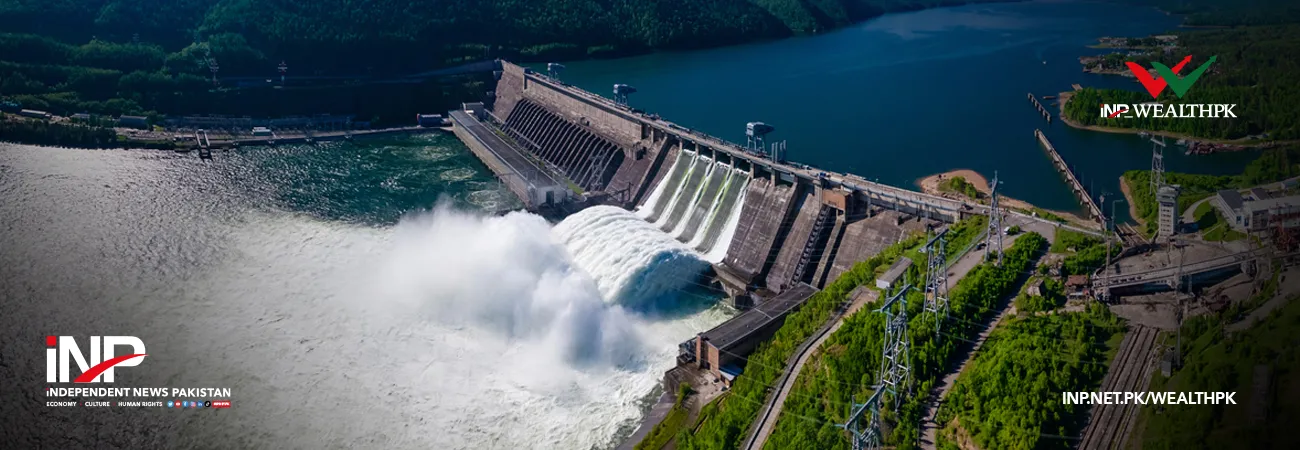
Sindh govt to attract investment in hydropower generation
January 14, 2026
Ahmed Khan Malik
The Sindh government has finalized a comprehensive hydroelectric power policy aimed at promoting clean energy generation and attracting both local and foreign investment in the province’s power sector. The policy is part of broader efforts to diversify Sindh’s energy mix, reduce reliance on fossil fuels, and address longstanding electricity shortages through sustainable solutions.
“The new policy provides a clear regulatory framework for the development of small- and medium-scale hydropower projects, particularly on canals, barrages, and other water infrastructure across the province. Sindh, despite having an extensive irrigation network, has so far remained underutilized in terms of hydropower potential compared to other provinces,” says Hassan Raza Abbasi, Consultant Power Development, Energy Department Sindh.
Talking to Wealth Pakistan, he said the policy focuses on encouraging private sector participation by offering incentives, transparent procedures, and long-term security for investors. “It outlines guidelines for project development, tariff determination, land acquisition, environmental safeguards, and coordination among relevant departments to ensure the timely execution of projects.” “The hydroelectric power policy reflects Sindh’s commitment to renewable energy and sustainable development,” said Abbasi.
He said that by utilizing existing water resources for power generation, the province can produce affordable electricity while minimizing environmental impact. “Under the policy, investors will be encouraged to develop run-of-the-river and canal-based hydropower projects, which are considered environmentally friendly as they do not require large dams or reservoirs.
These projects are expected to supply electricity to the national grid as well as to local communities, particularly in rural and agricultural areas where power shortages often disrupt economic activity,” Abbasi noted. “The policy also emphasizes streamlined approval processes to reduce bureaucratic delays that have traditionally discouraged investors.
A one-window facilitation mechanism has been proposed to coordinate among departments such as irrigation, energy, environment, and local government, making it easier for developers to obtain necessary permits and clearances,” the Sindh energy department official said. He said the initiative would play a significant role in lowering electricity costs in the long run.
“Hydropower projects typically have higher initial capital requirements but offer low operational costs and long project lifespans. With rising fuel prices and pressure on the national exchequer, renewable energy sources like hydropower are increasingly seen as viable alternatives,” Abbasi added. In addition to economic benefits, he said the policy is expected to contribute to environmental protection by reducing greenhouse gas emissions.
Sindh has already taken steps toward renewable energy through solar and wind projects, particularly in the Thar and coastal regions. The inclusion of hydropower further strengthens the province’s clean energy portfolio, he added. He said that environmental and social considerations will remain a priority. “All projects will be required to conduct environmental impact assessments and ensure that local communities benefit through employment opportunities, infrastructure development, and improved power supply,” he underscored.
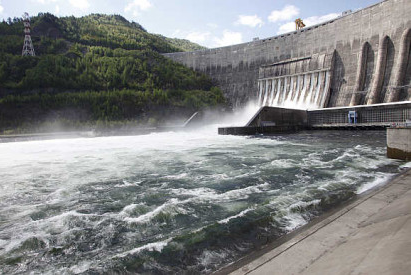
Credit: INP-WealthPk