INP-WealthPk
Sindh Abadgar Board concerned over stalled irrigation projects
January 31, 2026
By Ahmed Khan Malik
Sindh Abadgar Board, a representative body of farmers, has expressed concern over delays in the execution of irrigation sector projects, which are undermining agricultural productivity and rural livelihoods.
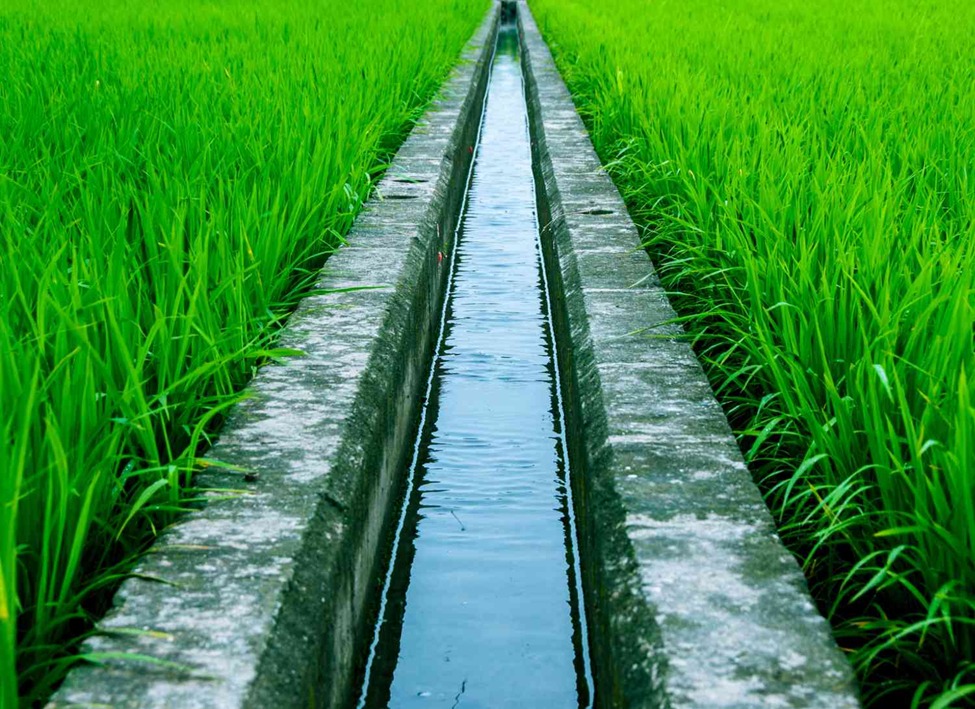
Sindh, which heavily depends on agriculture for livelihoods and food security, is facing serious consequences due to incomplete and slow-moving irrigation schemes, despite being home to the Indus River irrigation system—one of the largest in the world, said Mahmood Nawaz Shah, the board’s president. “Agriculture remains the backbone of Sindh’s economy, supporting millions of people directly and indirectly. However, recurring water shortages, inefficient canal systems, and delayed irrigation projects have severely affected crop productivity,” he said while talking to Wealth Pakistan.
Mr Shah said farmers in tail-end areas continue to suffer the most, often receiving insufficient water during crucial sowing and growing seasons. "The situation has been further aggravated by climate change, erratic rainfall, and rising temperatures, making dependable irrigation infrastructure more vital than ever,” he added. He pointed out that several irrigation projects in Sindh, including canal rehabilitation, lining works, drainage schemes, and small dams, have been pending for years due to administrative delays, funding constraints, and weak project management. As a result, project costs have multiplied, while the intended benefits remain unrealized, he said. He argued that unfinished projects represent not only a waste of public resources but also a lost opportunity to stabilise agricultural output and improve rural incomes.
Shah urged the provincial government to focus on completing ongoing irrigation projects rather than launching new ones. He noted that half-finished canals and drainage systems fail to serve their purpose and often deteriorate over time, requiring additional expenditure for repairs. In lower Sindh, poor drainage has led to waterlogging and salinity, rendering vast tracts of fertile land unproductive. Timely completion of drainage and irrigation schemes could reclaim this land and significantly boost agricultural production, he emphasized.
The Sindh Abadgar Board president emphasised that efficient irrigation is essential not only for agriculture but also for water conservation. “Sindh faces growing pressure on its water resources due to population growth, urban demand, and upstream shortages. Properly designed and swiftly executed irrigation projects can reduce water losses caused by seepage and illegal withdrawals, ensuring more equitable distribution across the province. Canal lining, in particular, is a key measure to enhance efficiency and curb wastage,” he said.
At the same time, Shah cautioned that speed should not compromise sustainability and fairness. “Irrigation projects must be planned with due consideration for environmental impacts, downstream needs, and the rights of small farmers. Transparent decision-making and community participation are crucial to avoid conflicts and ensure that benefits reach those most in need. Past experiences in Sindh show that poorly planned interventions can exacerbate inequalities and environmental degradation,” he noted.
Meanwhile, a senior official at the Irrigation Department, Sindh, speaking on condition of anonymity, told Wealth Pakistan that the department was making efforts to overcome the challenges. He admitted that the under-capacity utilization of funds and bureaucratic red tape were hampering the speedy release of funds for the projects’ timely execution. He hoped for the positive outcome of the efforts being made by the department to get the projects completed as early as possible.
Credit: INP-WealthPk