



INP-WealthPk
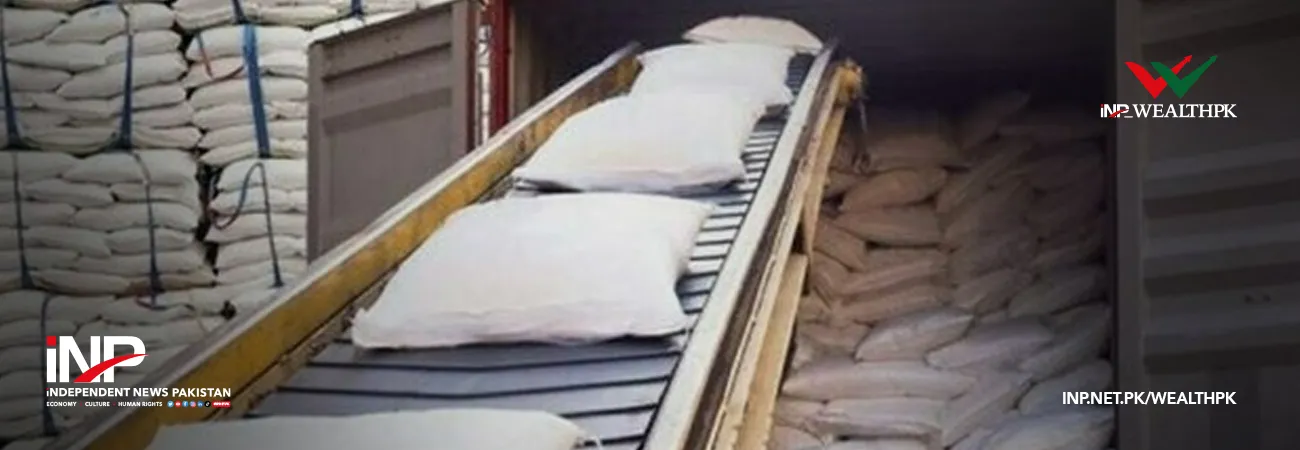
Rule-based sugar import and export regime proposed to replace ad hoc policy decisions
January 12, 2026
Ayesha Saba
A rule-based mechanism for sugar imports and exports has been proposed to replace ad hoc policy decisions that have shaped trade flows in Pakistan’s sugar sector, according to a policy document issued by the Institute of Cost and Management Accountants of Pakistan (ICMA).
The document notes that sugar trade policy has frequently been characterised by discretionary decisions, with export permissions and import approvals granted or withdrawn based on short-term assessments of domestic prices and reported stock levels. According to ICMA, this approach has contributed to uncertainty among market participants and weakened predictability across the sugar supply chain.
The study highlights that exports have at times been permitted during periods of perceived surplus, only for domestic prices to rise later due to inaccurate or unverifiable stock data. In such situations, the authorities have responded with reactive interventions, including emergency imports and other market measures, which have contributed to sectoral instability.
To address these issues, ICMA proposes that sugar trade decisions be governed by predefined rules linked to objectively verified indicators rather than discretionary approvals. According to the document, these indicators would include independently verified stock levels, production data, and clearly defined optimum reserve requirements.
Under the proposed framework, sugar exports would be permitted only when domestic stocks exceed an established optimum level. This threshold, the document states, would be determined in advance and applied consistently to limit subjective assessments and reduce uncertainty in trade decisions.
Similarly, the study proposes automatic import triggers when sugar stocks fall below the defined optimum level. According to ICMA, such a mechanism would allow imports to be initiated in a timely manner to stabilise supply before shortages emerge, rather than after prices have already increased.
The document explains that a rule-based trade regime is intended to strengthen market confidence by providing clarity to mills, traders, and consumers regarding how import and export decisions are made. Predictability, the report notes, supports orderly market functioning and helps reduce volatility in prices and supply conditions.
ICMA further observes that the absence of clear trade rules in the past has encouraged speculative behaviour, as market participants attempt to anticipate government decisions on exports or imports. This, the document states, has at times contributed to hoarding, stockpiling, and price volatility.
The study also notes that linking trade decisions to transparent and verifiable criteria would improve accountability in policy implementation. By relying on clearly defined thresholds, authorities would be better positioned to justify interventions and limit disputes arising from sudden or unexpected trade actions.
According to the report, effective implementation of a rule-based trade system depends on the availability of accurate and timely data on production and stocks. ICMA emphasises that this proposal is closely linked to broader reforms, including mandatory stock reporting requirements and the establishment of a centralised digital monitoring system.
The document concludes that replacing ad-hoc sugar trade decisions with a rule-based import and export regime is intended to reduce market volatility, enhance transparency, and support a more orderly functioning of the sugar sector.

Credit: INP-WealthPk