



INP-WealthPk

Rising wheat prices push up flour costs, threaten higher food prices in Punjab
May 18, 2026
By Muhammad Luqman
Rising wheat prices in the open market have pushed up flour rates and may trigger an increase in the prices of processed food products, including bread and biscuits, across Punjab.
According to grain dealers, wheat prices in Lahore and adjoining areas have crossed Rs4,000 per 40kg, making the staple commodity increasingly expensive for consumers.
“The price has recently climbed to Rs4,200 per 40kg against the support price of Rs3,500, as wheat supplies have dropped sharply, apparently due to hoarding,” said Muhammad Aslam, a dealer at Lahore’s Kahna grain market.
He said it was unusual for wheat prices to rise so sharply only weeks after the arrival of the new crop.
The Punjab government had set a wheat production target of 22.5 million metric tons for the current year.
The wheat dealer said most farmers had sold their produce at Rs3,500 per 40kg or even lower, while middlemen were now holding stocks to influence market prices.
According to flour millers, mills are being forced to purchase wheat from the open market, making it increasingly difficult to maintain existing flour prices.
“How can I sell flour at Rs4,000 per 40kg after purchasing wheat from the open market at the same price? How will I meet grinding and marketing expenses?” said Asim Ahmad Raza, former chairman of the Pakistan Flour Mills Association (PFMA).
Talking to Wealth Pakistan, he said the Punjab government was procuring wheat from growers through private-sector aggregators.
“The delayed procurement by aggregators has not been a good experience for either the government or the market. It may create further difficulties during the remaining months of the wheat year,” Asim Ahmad Raza said.
Prices of maida (fine flour) have also increased significantly, reaching Rs10,000 per 80kg bag compared with the previous level of Rs7,000.
“Running a bakery unit is no longer financially feasible. It is becoming increasingly difficult to sell small bread at Rs110 and large bread at Rs230,” said Muhammad Azam Chaudhary, owner of a bread manufacturing unit in Lahore’s Kot Lakhpat Industrial Estate.
Talking to Wealth Pakistan, he said rising raw material and LPG prices had substantially increased operating costs for businesses.
According to wheat procurement experts, an inaccurate assessment of the support price was among the major reasons growers and middlemen were withholding wheat stocks.
“Everyone expected prices to rise in the coming weeks, so even small investors entered the market and started holding stocks,” a former Punjab food secretary told Wealth Pakistan on condition of anonymity.
He said the Punjab government had so far managed to procure only around 50,000 tons of wheat through private firms, suggesting that supply pressures could persist in the coming months.
“In 2023, the government announced a price of Rs3,900 per 40kg when farmers’ production costs stood at Rs3,300,” he said.
He added that the support price needed to be close to Rs4,000 per 40kg to make wheat cultivation commercially viable for farmers, noting that Rs3,500 per 40kg was not considered sufficient.
He also warned that Pakistan may eventually need to import wheat later in the current wheat year due to the possibility of lower domestic availability in the coming months.
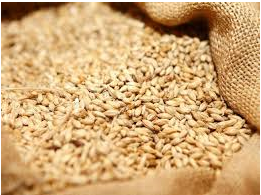
Credit: INP-WealthPk