INP-WealthPk

PIMS Burns Centre’s PC-1 awaits approval for expansion to cope with rising patient load
January 07, 2026
Abdul Ghani
The Pakistan Institute of Medical Sciences (PIMS) Burns Centre has sought approval of a PC-1 for the expansion of its facilities, citing a sharp increase in patient inflow and growing infrastructure constraints, according to official documents available with Wealth Pakistan.
The PC-1 has been submitted to the Ministry of National Health Services, Regulations and Coordination (NHSR&C) and is currently under review. The proposed project aims to add more beds, operating theatres, and human resources to strengthen clinical services and meet the growing demand for specialized burn care.
Established in 2009, the PIMS Burns Centre is the only recognized national facility for teaching and training doctors in burn and plastic reconstructive surgery. More than 100 postgraduate doctors have been trained in burn and plastic surgery.
Despite its critical role, the centre has been operating with limited space and funding, resulting in capacity constraints, particularly in outpatient and surgical services.
According to official figures, OPD visits increased from 24,751 in 2024 to 32,665 in 2025, while indoor admissions rose from 983 to 1,535 during the same period. Surgical procedures also increased from 875 to 1,023. Currently, the centre lacks adequate space to manage at least 100 to 120 OPD patients daily.
Burn care requires prolonged, multidisciplinary treatment, including ICU stabilization, multiple surgeries, physiotherapy, rehabilitation, and psychological support. Burn-related mortality remains high globally, especially among patients with extensive burns, underscoring the need for dedicated facilities and trained personnel.
Despite resource limitations, the Burns Centre has shown improved outcomes, with mortality declining from 141 cases in 2024 to 83 in 2025. This improvement has been attributed to adherence to international protocols, including Advanced Trauma Life Support (ATLS) and American Burn Association guidelines, as well as round-the-clock care provided by specialized medical and nursing teams.
The centre currently provides acute burn care, ICU services, plastic reconstructive surgery, and rehabilitation, supported by trained nurses, anaesthetists, ICU specialists, physiotherapists, and infection control staff. However, a lack of funding for infrastructure expansion has remained a major challenge.
Health officials believe the approval of the PC-1 will significantly enhance patient safety, improve service delivery, and strengthen Pakistan’s national capacity for burn care. Delays in the project, they warn, could further overburden the country’s only recognized burns training centre.
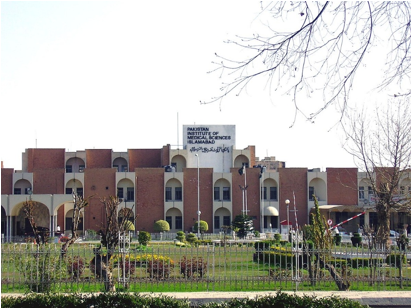
Credit: INP-WealthPk