


INP-WealthPk
Pakistan’s olive sector blossoms as decade-long government push cuts imports, spurs startups
December 26, 2025
Azeem Ahmed Khan
After a decade of sustained government backing, Pakistan’s olive sector is rapidly emerging as one of the country’s most dynamic agro-industries, marked by a surge in local plant production, a growing pool of entrepreneurs and a sharp decline in olive oil imports, according to the project director.
Talking to Wealth Pakistan, National Project Director of the Olive Promotional Programme Dr Muhammad Tariq said the government’s long-running initiative had fundamentally transformed the sector. “Ten years ago, when the government started this programme, we had only one entrepreneur,” he recalled. “Today, there are 144 startups and entrepreneurs. It is a very fast-growing sector, running with strong government support.”
He said official commitment to long-term growth remained firm. The federal minister for National Food Security and Research, which oversees the programme, has recently advanced Pakistan’s case for full membership of the International Olive Council. “Hopefully, there will be good news within three months,” Dr Tariq said.
The minister has also directed the Planning Commission of Pakistan to examine uplift options for the sector, expressing confidence that Pakistan’s olive industry is entering a new phase of expansion.
He said the initiative began as a pilot project with support from the Government of Italy, which laid the groundwork for the current commercialization drive. In the early years, Pakistan relied entirely on imported olive plants. “For the past three years, imports have stopped, and our local nurseries are flourishing and supplying certified plants,” he noted.
Citing sector data, Dr Tariq said Pakistan had significantly reduced olive oil imports between 2019 and 2025, a shift he attributed to rising consumer confidence in locally produced oil. “Progress in this sector is very fast,” he said.
Despite the momentum, challenges persist in bottling, packaging, labelling and certification. Dr Tariq said the government was addressing these gaps by strengthening quality infrastructure. “We are securing accreditation for olive oil certification in laboratories and establishing ISO-certified labs,” he said. “Every new sector faces challenges, but these will be overcome gradually.”
He cautioned, however, that technical support has not kept pace with the crop’s nationwide spread. “Our Italian partners still provide technical assistance, but it is limited now. Olives are being grown across the country, and extension departments are struggling to cope. This is a major challenge,” he said.
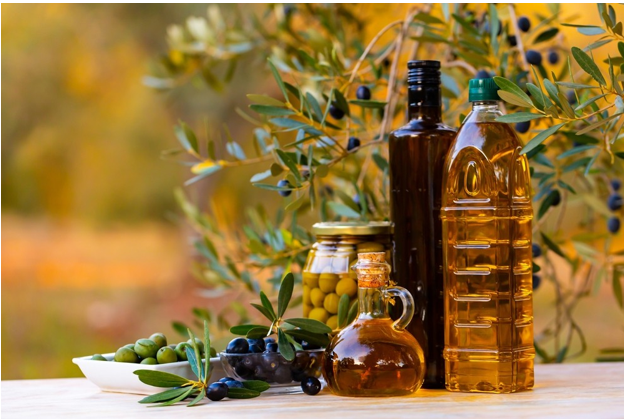
Looking ahead, Dr Tariq stressed the need to diversify beyond oil extraction. “At present, we are focusing only on olive oil,” he said. “There are many avenues—pomace oil, virgin oil, lampante oil, pellet production and nutraceuticals. These industries are yet to develop, and farmers will benefit greatly once they do.”
Credit: INP-WealthPk