INP-WealthPk

Pakistan’s grey cloth market struggles amid falling Afghan demand
December 17, 2025
Muhammad Saleem
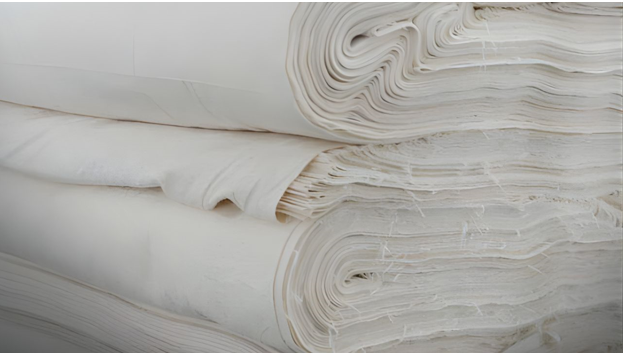
Traders in Pakistan’s grey cloth market are struggling to keep their businesses afloat amid tight financial conditions and a sharp decline in orders from Afghan buyers and local textile exporters.
Riaz Shahid, a grey cloth trader operating in the yarn market in Faisalabad, told Wealth Pakistan that Afghanistan had historically been a major destination for Pakistani grey cloth. However, the closure of routes and strict border controls have effectively halted cross-border trade, leaving local traders unable to supply fabric to Afghan buyers.
“Some traders initially tried to route supplies through Peshawar, but that is no longer possible as movements at the border have been heavily restricted,” he said. As a result, he added, Afghan traders are unable to purchase low-cost grey cloth from Pakistan even when there is demand.
Shahid warned that prolonged restrictions could push the local market into a severe crisis. “People who have invested millions of rupees in this business are facing the risk of unemployment, and many households may struggle to meet basic needs if the situation continues,” he said.
He noted that the grey cloth market was once considered the backbone of the textile sector, supplying yarn and fabric to a wide range of downstream industries. “The situation is changing rapidly, and many traders are now exiting the grey cloth business due to a lack of orders,” he added.
According to Shahid, demand from textile exporters has also weakened significantly. He said exporters are reluctant to purchase fabric on credit, citing uncompetitive pricing in international markets compared to rival exporting countries.
“Imported fabric and yarn are affecting our business badly,” he said. “If fabric costs us Rs100 per metre in Pakistan, the same material from other countries is available at Rs80 to Rs90 per metre after import. The situation is similar in the case of yarn.”
While stressing that traders do not seek an outright ban on imports, Shahid said unchecked inflows were harming the domestic industry. “If the market is left completely open, foreign suppliers can easily undermine our economy. This will lead to job losses and further economic distress,” he warned.
Nadeem Ahmed, a textile exporter, also told Wealth Pakistan that declining orders and multiple operational challenges are weighing heavily on the sector. Referring to the recent goods transport strike triggered by heavy traffic police fines, he said shipment delays had disrupted export schedules.
“We are busy firefighting every day instead of focusing on expanding into new markets,” he said.
Ahmed said that without meeting the quality and compliance standards of international buyers, the textile sector would struggle to sustain growth, with adverse spillovers for the local grey cloth market.
Highlighting the importance of the grey cloth market for exporters, he said that amid high electricity, gas and raw material costs, exporters often relied on this market to source leftover lots of quality fabric at lower prices. “By purchasing such lots, exporters were able to reduce costs effectively,” he explained, adding that similar benefits applied when sourcing yarn locally.
“We want this market to survive and grow, as it reflects the overall health of the textile sector,” Ahmed said. “Unfortunately, the situation is deteriorating rather than improving.”
Credit: INP-WealthPk