



INP-WealthPk

Pakistan fast-tracks climate-resilient pulses with cutting-edge breeding facility
January 05, 2026
Azeem Ahmed Khan
Pakistan’s drive to develop climate-resilient, high-yield pulse crops has received a major boost with the launch of a state-of-the-art Speed Breeding Facility that sharply reduces the time needed to produce new varieties, a senior scientist said.
Talking with Wealth Pakistan, Dr. Shahid Riaz Malik, Head of the Pulses Research Program at the National Agricultural Research Centre, said the facility allows researchers to cut the development cycle of new pulse varieties by nearly a half – a critical advance as climate change increasingly disrupts agriculture.
“Traditionally, it takes 12 to 15 years to develop a new pulse variety, but through speed breeding, we can now release a new variety in seven to eight years, which is the need of the time,” he said.
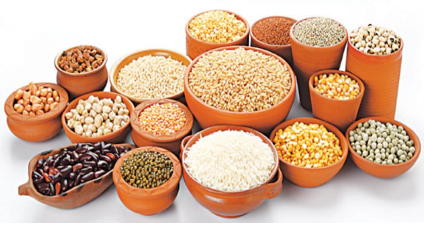
The facility focuses on key pulses including chickpeas, lentils, mung beans, black gram, and other beans. These crops are central to food security and farm incomes. Using controlled environments where temperature, humidity, and light are precisely managed, scientists are able to grow pulses every two months instead of once a year.
“In the open field, chickpea takes about six months, and you can grow it once a year,” Dr. Shahid explained. “But in our chambers, we can take five to six generations annually, which dramatically accelerates research.”
The speed breeding approach enables scientists to quickly screen plants for traits essential under the changing climate conditions, including drought tolerance, heat resistance, and disease resistance. Promising lines are rapidly advanced through hybridization, allowing researchers to move closer to delivering improved varieties to farmers.
“This technology is needed because climate change is rapidly affecting our agriculture,” Dr. Shahid said. “We need to develop pulse varieties that can withstand these stresses quickly.” He described the facility as Pakistan’s first dedicated speed breeding centre for pulses and the largest of its kind in South Asia, although similar facilities elsewhere often focus on multiple crops.
Dr. Shahid said researchers have developed 400 advanced breeding lines of chickpeas through the facility, which are now being prepared for field testing. Following selection, approval by seed councils and national yield trials, climate-resilient, high-yielding varieties are expected to reach farmers within a few years. “We have not yet released them to farmers. They will first move from the glasshouse to the field, then go through the required approval procedures,” he said.
In parallel, scientists are optimizing breeding protocols for mung bean and black gram – the crops for which limited global research has been conducted. Dr. Shahid said work on chickpea varieties is nearly complete, while lentil development is around 70 to 75 percent finalized. The program has expanded beyond pulses to include peanuts, millet, and other crops, reflecting a broader push toward multi-crop research.
Capacity building is another key pillar, he said. Scientists from across Pakistan’s national agricultural research system are being trained in speed breeding techniques, while university students are supported in advanced research using the new facility. Dr. Shahid said the program also benefits from international collaboration, particularly with Australia and China under the CPEC projects, helping Pakistani scientists build expertise in cutting-edge agricultural technologies.
The facility was established with funding from the Government of Pakistan under the Public Sector Development Program and became fully operational after the installation of LED grow lights in 2025. Malik said the team achieved significant milestones within a year of full functionality.
Credit: INP-WealthPk