



INP-WealthPk
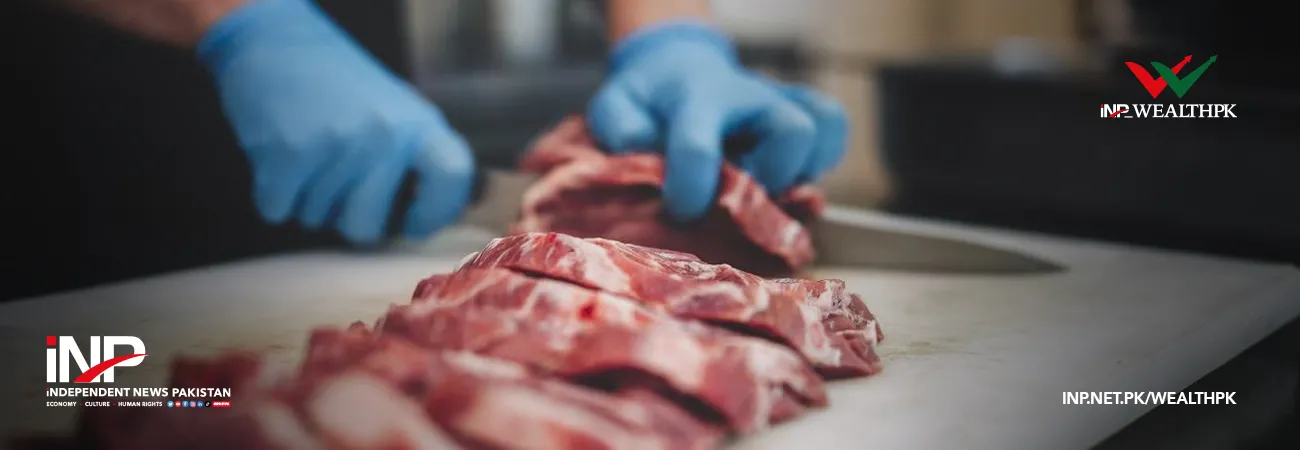
Modern livestock processing key to boosting Sindh’s meat exports
December 15, 2025
Ahmed Khan Malik
Expanding investment in modern livestock processing plants across Sindh could significantly strengthen Pakistan’s meat and livestock-related exports, industry experts say. With a large livestock population and rising global demand for halal-certified meat, Sindh is well placed to turn its livestock sector into a major source of foreign-exchange earnings, provided that critical gaps in infrastructure and technology are addressed.
Sindh accounts for a substantial share of Pakistan’s livestock assets, including cattle, buffalo, sheep and goats. Despite this, its export performance remains modest. Experts attribute the shortfall to outdated slaughterhouses, weak cold-chain logistics and a lack of export-grade processing facilities capable of meeting international sanitary and quality standards. As a result, the province continues to cater largely to domestic markets, missing out on lucrative overseas opportunities.
Livestock sector expert Ashfaq Alvi said targeted investment in modern abattoirs, cold storage, freezing units, and advanced packaging technology could dramatically increase Sindh’s share of national meat exports. Such upgrades would enable diversification beyond traditional chilled carcasses into higher-value products, including frozen boneless beef, vacuum-packed cuts and processed mutton, which are in strong demand across the Middle East, Southeast Asia, Africa and Central Asia.
He noted that improved processing infrastructure would also help curb post-slaughter losses, which currently erode profitability and shorten product shelf life. Modern facilities, he said, would ensure strict temperature control, hygiene and traceability throughout the value chain—key requirements for international buyers, particularly in food-safety-sensitive markets. Alvi added that enhanced processing capacity would directly benefit thousands of smallholder farmers who form the backbone of Sindh’s livestock economy.
Centralized slaughtering and processing hubs would allow small and medium producers, often lacking access to hygienic facilities and cold storage, to link up with export-oriented supply chains and secure better prices for premium-quality animals. Investment in livestock processing is also expected to generate significant employment, especially in rural areas.
New plants would create demand for skilled and semi-skilled workers in meat inspection, packaging, refrigeration management, transport and technical maintenance, offering sustainable livelihood opportunities for rural youth. However, agriculture and livestock expert Latif Jumani of Hyderabad cautioned that several structural challenges must be addressed to fully realize Sindh’s export potential.
He pointed to low-yielding animal breeds, weak disease-control systems and inconsistent availability of feed and fodder as key constraints that limit productivity and the ability to meet large, sustained export orders. He stressed that compliance with international food-safety and halal certification standards remains essential for accessing high-value markets.
Jumani emphasized the need for coordinated efforts among government agencies, private investors and farming communities, noting that public-private partnerships could play a vital role in financing new plants, upgrading existing facilities and expanding cold-chain networks. Strengthened veterinary services, improved breed management and farmer training programs, he added, would further reinforce the supply base feeding into modern processing units.
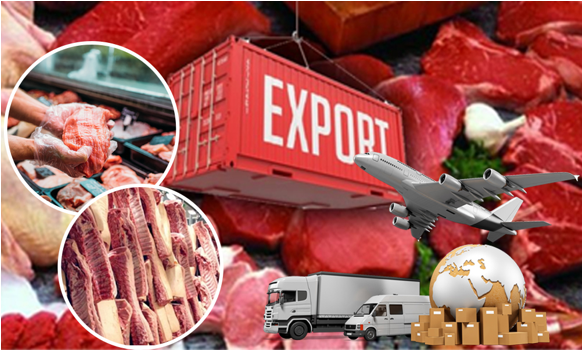
Credit: INP-WealthPk