



INP-WealthPk
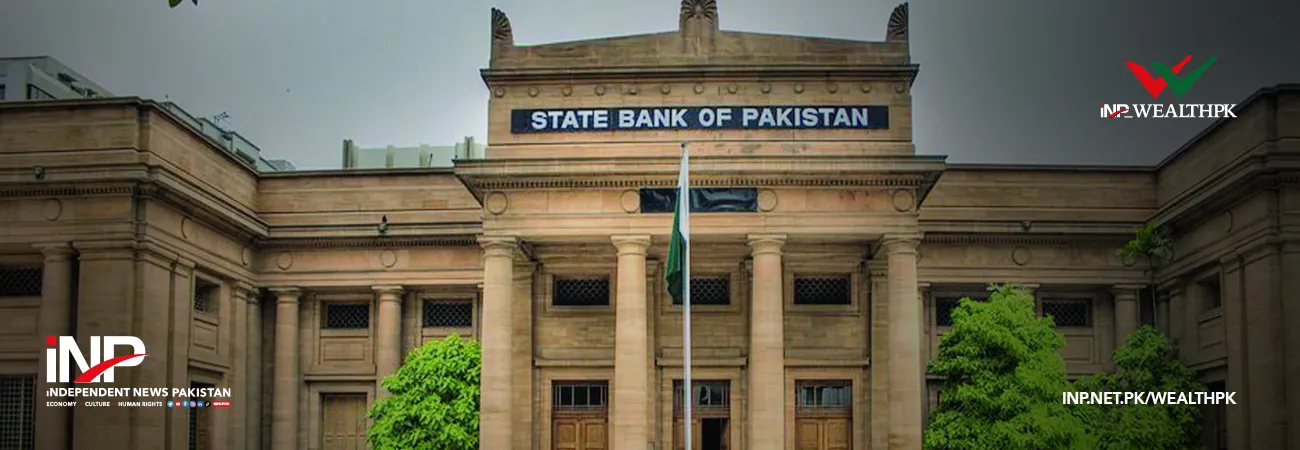
Markets price in 50bps SBP rate cut ahead of Jan 26 MPC meeting
January 21, 2026
Moaaz Manzoor
Expectations of a further 50 basis points cut in the policy rate have strengthened ahead of the State Bank of Pakistan’s Monetary Policy Committee (MPC) meeting scheduled for January 26, as easing inflation, reductions in national savings rates, and falling secondary market yields reinforce the case for continued monetary easing.
The outlook for the upcoming MPC meeting has shifted notably following SBP’s unexpected 50bps rate cut on December 15, 2025, when the central bank moved against broader market expectations of a status quo. That surprise decision reset rate expectations, with investors and analysts increasingly positioning for another step in the easing cycle.
A recent market survey by Topline Securities shows a clear majority of participants now expect SBP to lower rates at its first MPC meeting of 2026. The view reflects softer inflation readings over the past two months, improved external inflows, and relative stability in the exchange rate, developments that have eased immediate macroeconomic pressures and created room for policy support to growth.
Waqas Ghani, Head of Research at JS Global Capital, told Wealth Pakistan that the inflation outlook has eased marginally, as reflected in recent Sensitive Price Index (SPI) trends, supported by benign global commodity prices and well-anchored inflation expectations.
“Given the improving inflation environment, we believe the MPC may opt for a further 50bps cut at the upcoming meeting to support economic growth,” he said, adding that current conditions allow for easing without undermining macroeconomic stability.
Syed Zafar Abbas, Manager at Zahid Latif Khan Securities, said recent reductions in national savings rates indicate that the broader monetary policy stance is already being transmitted across the economy. “The cut in national savings rates shows that monetary easing may happen,” he said.
Abbas noted that the previous policy rate cut had come as a surprise despite inflation not having declined sharply at the time, calling it a positive signal. “With savings rates now reduced again and the policy objective of bringing interest rates into single digits, expectations are building for another 50bps cut,” he added.
He also pointed to the relative strength of the rupee and the government’s focus on boosting exports as supportive factors. “Currency stability and the emphasis on export growth strengthen the case for easing,” Abbas said.
Market pricing has further reinforced expectations. Secondary market yields on short-term treasury bills and interbank benchmarks are trading below the prevailing policy rate, while recent Pakistan Investment Bond (PIB) auction cut-offs for two- and three-year tenors have also fallen beneath the benchmark, signalling investor anticipation of lower rates ahead.
Muhammad Bilal Ejaz, Research Analyst at Ismail Iqbal Securities, said the likelihood of a 50bps reduction has increased following recent signals from the Ministry of Finance and improving debt-market dynamics. “Falling secondary market yields and a shift toward longer-tenor, fixed-rate government borrowing to improve cost efficiency and stability suggest that the easing cycle is likely to continue,” he said.
Looking beyond the January 26 decision, analysts broadly expect the policy rate to trend lower by mid-2026, provided inflation remains within a manageable range and the exchange rate stays relatively stable. While SBP is expected to maintain positive real interest rates, market participants believe the central bank will aim to balance growth support with macroeconomic stability.

Credit: INP-WealthPk